Best Time to Visit Nagoya 2026: Weather, What to Wear & Things to Do
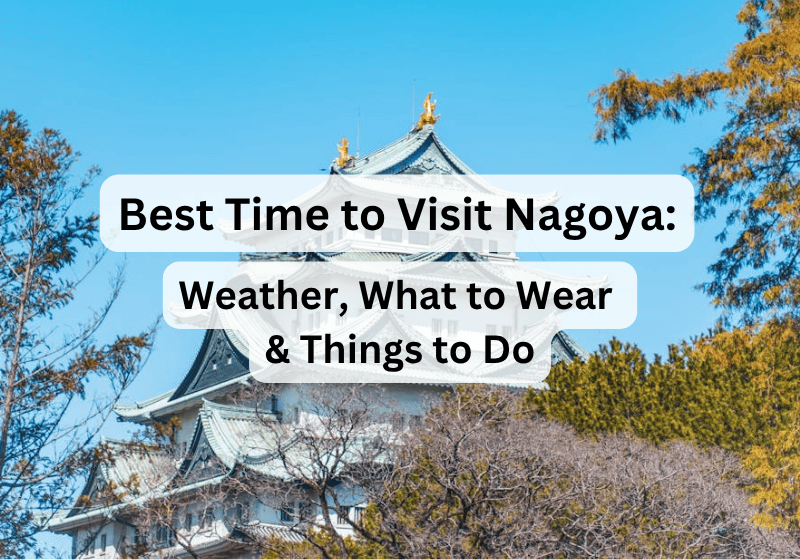
Located perfectly between Tokyo and Osaka, Nagoya is one of Central Japan’s most powerful transportation hubs.
For most international travelers, flying into Chubu Centrair International Airport (NGO) is the most convenient entry point. Whether you’re a fan of samurai history at Nagoya Castle, a gearhead interested in the Toyota Commemorative Museum, or a train enthusiast visiting the SCMAGLEV and Railway Park, Nagoya offers a unique blend of industrial might and ancient tradition.
For independent travelers, Nagoya is easy to navigate, boasts an incredible food scene, and serves as a strategic “base camp” for day trips to Inuyama, Seto, and the Nagashima Resort.
In this guide, I’ll walk you through Nagoya’s four seasons, the weather, what to wear, and the best seasonal places to visit — while also answering common questions like Which month to visit Nagoya?, What month is cherry blossom in Nagoya?, and How many days should you spend in Nagoya?
Table of Contents
🌷 Spring in Nagoya (March – May)

The Vibe: Mild, blooming, and one of the loveliest times to see the city at its most elegant.
Nagoya Weather in Spring
Spring is the best season for exploring Nagoya on foot. The humidity is low, the skies are crisp, and the city turns various shades of pink and green.
- March: ~50°F (10°C)
- April: ~59°F (15°C)
- May: ~68°F (20°C)
If you’re searching for Nagoya March weather, expect cool mornings, mild afternoons, and the feeling that winter is slowly letting go. March can still feel a little chilly, especially early in the month, but by April the city warms up noticeably. May is often the sweet spot: pleasant temperatures, lower humidity, and bright skies that make both city walks and day trips especially enjoyable.
Spring is also when Nagoya begins to feel more colorful. Cherry blossoms usually arrive from late March to early April, while May brings roses, wisteria, azaleas, and more seasonal flower displays across the city.
Nagoya Best Places to Visit in Spring
🌸 Meijo Park & Nagoya Castle
Nagoya Castle was originally built in the early Edo period under Tokugawa Ieyasu, and it remains one of the city’s defining landmarks. In spring, the area around the castle becomes especially beautiful as cherry blossoms bloom around the grounds and along nearby walking paths.
Meijo Park, which spreads out beside the castle, offers open green space, seasonal flowers, and one of the most iconic castle-and-sakura views in the city. The reflections of blossom-lined scenery around the moat make this one of the best photo spots in Nagoya, but it also feels wonderfully local and relaxed for a long spring walk.
⛩️ Atsuta Shrine
Atsuta Shrine is one of Japan’s most important Shinto shrines and is said to enshrine the legendary sword Kusanagi-no-Tsurugi, one of the Three Sacred Treasures of Japan. Even before you reach the main shrine buildings, the approach itself feels calm and atmospheric, with towering trees and a deep sense of quiet.
In spring, the fresh greenery makes the shrine grounds feel even more serene and photogenic.
Must-Eat: Don’t leave without trying Hitsumabushi (Nagoya-style grilled eel rice) at the nearby Atsuta Houraiken (蓬萊軒)—it’s a local culinary bucket-list item.
🦒 Higashiyama Zoo and Botanical Gardens
This is Nagoya’s largest all-in-one outdoor attraction, featuring a zoo, a massive botanical garden, and an observation tower.
In spring, it becomes especially attractive thanks to blooming cherry blossoms, tulips, and azaleas that make the grounds feel almost like a giant floral park.
The zoo is home to popular animals like elephants, giraffes, and polar bears, while the botanical gardens change beautifully with the seasons.
If you go up Higashiyama Sky Tower, you’ll get sweeping views over Nagoya, especially pretty at sunset. It’s a great spot for families, but honestly, it’s just as enjoyable for adults who want a full, easygoing day out.
🌸 Tsuruma Park
Tsuruma Park is one of the best-known cherry blossom spots in Nagoya, and in spring it becomes incredibly picturesque. The combination of pond reflections, arched bridges, and Western-style garden design gives it a romantic atmosphere that feels different from castle-based sakura spots.
Seasonal markets and music events are sometimes held in the park as well, so it often feels lively without losing its relaxed charm.
What to Wear & Pack (Spring)
The secret to a comfortable spring trip to Nagoya is layering.
Late March to Early April: A light coat or trench over a sweater or long-sleeve top.
Late April to May: Light knitwear, long-sleeve shirts, or a light jacket is usually enough.
Early mornings and evenings: Can still feel cool, so I’d bring an extra layer.
Shoes: Comfortable sneakers are best, especially if you plan to walk around parks and castle grounds all day.
☀️ Summer in Nagoya (June – August)

The Vibe: Hot, humid, energetic, and filled with festivals, fireworks, and indoor escapes.
Nagoya Weather in Summer
Summer in Nagoya is intense. It’s hot, sticky, and often feels warmer than the thermometer suggests because of the humidity.
- June: ~75°F (24°C)
- July: ~82°F (28°C)
- August: ~86°F (30°C)
June marks the start of Japan’s rainy season, which usually runs from early June to mid-July. This doesn’t mean nonstop rain every day, but it does mean muggy air, cloudy stretches, and sudden showers.
By July and August, the heat becomes much more serious, with daytime highs often reaching 90–95°F (32–35°C) or more. Strong sunshine, afternoon thunderstorms, and the occasional typhoon influence are all part of the season.
That said, summer in Nagoya also has a festive atmosphere. It’s the time for traditional events, fireworks, and evening outings when the city feels more animated after sunset 🎆
What to Do in Nagoya During Summer
🚄 SCMAGLEV and Railway Park
If you need a break from the sun, this is the ultimate indoor escape. The museum showcases everything from steam locomotives to early Shinkansen models and futuristic maglev trains, making it both educational and surprisingly fun.
Why it’s great for Summer: It is fully air-conditioned and massive. It’s a “cool” way to spend 3–4 hours, especially if you are traveling with kids or need a rainy-day backup.
The interactive exhibits make it great for families, but even casual visitors tend to enjoy how well it explains Japan’s transportation history.
🐬 Nagoya Port Aquarium
Nagoya Port Aquarium is one of the city’s best warm-weather attractions, especially if you want somewhere that feels spacious and easy to enjoy without battling the sun. It’s known for dolphin performances and large marine exhibits, and the overall layout is smooth and pleasant to explore.
It works well for anyone needing a comfortable rainy-day plan. If the weather clears up later, you can combine it with a seaside walk around the port area and nearby shopping spots, where the evening breeze feels much nicer than the midday heat.
🌆 Sakae District & Hisaya Odori Park
Sakae is Nagoya’s downtown heart. The recently renovated Hisaya Odori Park (home to the Nagoya TV Tower) is the best place to be once the sun goes down.
On weekends, there are often markets, seasonal installations, and pop-up events that bring extra energy to the area. It’s also a great place to combine shopping, cafés, department stores, and night views in one relaxed outing once the temperature starts to cool a little.
🎡 Nagashima Resort
Located just outside Nagoya, Nagashima Resort is one of the best summer day-trip options in the region. It combines Nagashima Spa Land, a major amusement park and water park, with Mitsui Outlet Park Jazz Dream Nagashima and hot spring facilities.
During the day, the water park is the star for summer experience. By evening, you can switch gears completely: soak in the hot springs, browse the outlet mall, and enjoy the resort atmosphere without rushing. It’s one of those places that works because it gives you several kinds of fun in one stop.
What to Wear & Pack (Summer)
Summer dressing in Nagoya is all about staying cool and dry.
Tops: T-shirts, sleeveless tops, or moisture-wicking fabrics.
Bottoms: Light pants, breathable skirts, or loose summer clothing.
Essentials: Sunglasses, sunscreen, a hat, and anti-sweat products help a lot.
Rain gear: A compact umbrella or light rain jacket is a must.
Shoes: Breathable sneakers or sandals with good support are ideal.
🍁 Fall in Nagoya (September – November)

The Vibe: From late-summer heaviness to cool, crisp days and beautiful autumn color.
Nagoya Weather in Fall
Fall is one of the best seasons in Nagoya because you can really feel the city relaxing after the humidity of summer.
- September: ~79°F (26°C)
- October: ~64°F (18°C)
- November: ~55°F (13°C)
September can still feel hot and sticky, and it’s also part of typhoon season, so rain remains a possibility. By October, though, the weather becomes much more comfortable: cooler air, less rain, and better conditions for walking around. November is especially appealing if you like dry, sunny days and seasonal color.
If you’re looking up what to wear in Nagoya in November, the answer is simple: it feels cool and crisp, especially in the mornings and evenings, so light layers with a jacket are usually perfect.
Autumn leaves in Nagoya generally begin to show from mid-November and often continue into early December, depending on the spot and the year.
Nagoya Best Places to Visit in Fall
🏯 Nagoya Castle & Honmaru Palace
Nagoya Castle is worth visiting year-round, but in autumn the contrast between historical architecture and seasonal foliage becomes especially appealing.
The reconstructed Honmaru Palace, with its lavish interiors and refined design, adds another layer of beauty to the experience. Outside, golden ginkgo leaves and autumn light give the entire area a rich, classic atmosphere that feels very “old Japan” in the most photogenic way.
🖼️ Tokugawa Art Museum & Tokugawa Garden
For a deep dive into Samurai history, this is a must-visit. The museum preserves artifacts connected to the Owari branch of the Tokugawa family, while the adjacent garden offers a beautifully designed landscape of ponds, paths, and seasonal plantings.
In fall, the mix of maple leaves, ornamental grasses, and reflected colors across the water makes the whole place feel especially elegant. It’s one of my favorite spots for a quieter, more refined side of the city.
🍢 Osu Shopping Street & Osu Kannon
Osu is one of Nagoya’s liveliest neighborhoods, filled with vintage stores, electronics shops, local snack stands, and quirky little finds. Autumn is a great time to visit because the cooler weather makes it much more comfortable to wander for hours without feeling overheated.
You can snack your way through the district with fried chicken wings, miso skewers, and sweets, then continue on to Osu Kannon Temple, which gives the whole area a nice blend of everyday city life and traditional atmosphere.
🍁 Shirotori Garden
Shirotori Garden is one of the most beautiful Japanese gardens in Nagoya and becomes especially impressive in November.
The maple reflections on the pond, the carefully designed landscapes, and the occasional seasonal tea events or evening illuminations make it a top pick for photographers and travelers who enjoy a more tranquil autumn experience. It feels polished, calm, and very different from the energy of downtown shopping districts.
What to Wear & Pack (Fall)
Packing for Nagoya in the fall requires a bit of strategy as the temperature drops quickly after sunset.
- September: Short sleeves with a light layer for indoor air conditioning or rain.
- October: Long-sleeve shirts, light knits, or a thin jacket.
- November: Sweater, light coat, or trench works very well.
Rain gear: A folding umbrella is still useful, especially in early fall.
Shoes: Comfortable walking shoes with some water resistance are a good idea.
❄️ Winter in Nagoya (December – February)

The Vibe: Cold, dry, bright, and ideal for hot springs, winter lights, and cozy indoor sightseeing.
Nagoya Weather in Winter
Winter in Nagoya is cold but usually fairly sunny, which makes it more pleasant than the numbers might suggest.
- December: ~45°F (7°C)
- January: ~39°F (4°C)
- February: ~41°F (5°C)
During the day, temperatures usually stay around 43–50°F (6–10°C), while mornings can drop close to freezing. The air is dry, the skies are often clear, and nights feel noticeably colder. Snow is possible in February, but in Nagoya it’s usually light or short-lived rather than severe.
Winter is also a surprisingly fun season for travelers who enjoy shopping, illuminations, and hot spring side trips. The city feels crisp and festive, and nearby destinations become even more attractive once temperatures drop.
What to Do in Nagoya During Winter
🚗 Toyota Commemorative Museum of Industry and Technology
Housed in a former Toyota textile factory, this museum tells the story of how the company evolved from textile machinery manufacturing into one of the world’s most influential automotive brands.
It’s one of Nagoya’s most impressive museums because it doesn’t just display objects — it explains process, innovation, and industrial heritage in a very engaging way. The live demonstrations and interactive elements make it interesting even if you’re not a hardcore engineering fan. In winter, it’s an especially strong choice because it gives you a meaningful indoor activity without needing to rush through the cold.
⛩️ Osu Kannon & Osu Shopping Street
Winter is one of the best times to experience Osu’s mix of tradition and local energy. Around New Year, Osu Kannon becomes a lively place for Hatsumode, the first shrine or temple visit of the year, where people come to pray, draw fortunes, and buy lucky charms.
The surrounding shopping streets make it easy to turn the visit into a full afternoon of food, browsing, and people-watching. It feels festive, local, and wonderfully unpolished in the best way.
🎄♨️ Nabana no Sato + Nagashima Onsen
If I were recommending one classic winter day trip from Nagoya, this would be near the top. Start with a warm soak at Yuami no Shima, part of the Nagashima hot spring complex, where outdoor baths feel especially satisfying in cold weather.
Then head to Nabana no Sato, famous for one of Japan’s biggest and most spectacular winter illumination displays. The light tunnels, reflections on the water, and constantly changing annual themes make it feel genuinely magical. Add in outlet shopping and dinner nearby, and it becomes an easy, full winter outing.
What to Wear & Pack (Winter)
Winter in Nagoya is about warmth, wind protection, and comfort.
Outerwear: A down jacket, wool coat, or warm padded coat.
Inner layers: Sweaters, thermal tops, or heat-tech style base layers.
Accessories: Scarf, gloves, and hand warmers are very useful.
Bottoms: Thick pants or lined trousers work well.
Shoes: Comfortable shoes with decent grip are best, especially on colder mornings.
🔎 Which Month to Visit Nagoya?
If you are looking for the “perfect” window to visit Central Japan, here is the quick breakdown for your itinerary:
🌸 Best Overall Weather: April–May (Spring) and October–November (Fall).
🌸 Peak Cherry Blossoms: Late March to early April.
🍁 Best Fall Foliage: Mid-November to early December.
💰 Cheapest Time to Visit: Mid-January to early February (low season) and June (rainy season).
📌 Peak Tourist Seasons in Nagoya
Late March – Early April: Cherry Blossom (Sakura) Season 🌸
The most popular time to visit Nagoya. Parks like Nagoya Castle and Tsuruma Park are in full bloom. Expect crowds and higher prices.
Late April – Early May: Golden Week 🇯🇵
Japan’s biggest holiday period. Trains, hotels, and attractions get very busy with domestic travelers. Book early.
July – August: Festival Season & Summer Vacation 🎆
Lively atmosphere with fireworks and events, but also hot and humid. Evenings are the best time to explore.
Mid-November – Early December: Fall Foliage (Koyo) 🍁
Cool, dry weather with beautiful autumn colors. A favorite for many travelers and great for photography.
Late December – Early January: New Year & Winter Illuminations 🎄✨
Festive season with winter lights, sales, and shrine visits. Moderate crowds and slightly higher prices.
🔎 Cheapest Time to Visit Nagoya
If you’re looking to save on flights and hotels, these periods usually offer better prices and fewer crowds.
Mid-January – Early February ❄️
After New Year, travel demand drops. It’s cold but mostly sunny, and hotel prices are at their lowest.
June: Rainy Season ☔
Warm, humid, and often rainy—but fewer tourists and better deals. Great for food, shopping, and indoor attractions.
September (Non-Holiday Periods) 🌧️
Still warm with some rain and occasional typhoons. Crowds are lighter, making it a good value month if your plans are flexible.
💡 Cathead tip: Stay slightly outside major hubs like Nagoya Station—areas like Kanayama or Fushimi often offer better deals.
🌸 What Month Is Cherry Blossom in Nagoya?
Cherry blossom season in Nagoya usually falls in late March to early April.
The exact timing changes slightly every year depending on temperatures, but that is generally the window to expect.
Popular spots include Meijo Park, Nagoya Castle, Tsuruma Park, and other city parks where sakura blooms create some of the prettiest spring scenes of the year.
🔎 How Many Days Should I Spend in Nagoya?
If you are visiting for the first time, the “sweet spot” depends on whether you want to stay in the city or explore the surrounding mountains and coastal resorts.
For the City Only: 2 to 3 Days is perfect. This gives you enough time to see Nagoya Castle, Atsuta Shrine, the Osu District, and at least one major industrial museum (Toyota or SCMAGLEV) without feeling rushed.
As a Regional Base: 4 to 5 Days is highly recommended. Nagoya’s central location makes it the best “home base” for day trips into the Japanese Alps or the Ise Peninsula.
Nagoya Itinerary 5 Days (Nagoya & Central Japan)
A Nagoya itinerary 5 days works especially well if you want a mix of city and countryside. A smart version could look like this:
Day 1: The Essentials. Nagoya Castle, Meijo Park, and sunset views in the Sakae District.
Day 2: Culture & Soul. Morning at Atsuta Shrine, followed by a street-food tour through the Osu Shopping Streets.
Day 3: Innovation & Industry. Choose between the Toyota Commemorative Museum or the SCMAGLEV and Railway Park, then head to the Nagoya Port area.
Day 4: Samurai History. A day trip to Inuyama Castle (one of Japan’s oldest original keeps) or the historic streets of Takayama.
Day 5: The “Wildcard” Day. Choose your vibe:
Nature: The thatched-roof villages of Shirakawa-go.
Relaxation: A soak in the famous waters of Gero Onsen.
Adventure: Rollercoasters and hot springs at Nagashima Resort.
🚗 Is Nagoya Good for a Road Trip?
For American travelers used to driving, renting a car in Nagoya is a game-changer. While the city’s subway system is excellent, a car gives you total freedom to explore the “Chubu” region (Central Japan).
If you’re only exploring central Nagoya (Nagoya Castle, Sakae, Osu), public transport is more than enough.
But if your trip includes destinations such as Shirakawa-go, Takayama, Gero Onsen, or Ise Shrine, renting a car is a great option.
Nagoya has well-organized roads, plenty of parking, and excellent highways. Most major destinations are within 2–3 hours, making it an ideal base for a road trip.
💡That’s why Nagoya is such a great hub. I actually did a full loop by car last year:
Nagoya → Takayama → Shinhotaka Ropeway → Shirakawa-go → Kanazawa → Gero Onsen→ back to Nagoya. It’s a seamless way to hit the best of Chubu and return the car right where you started.
💡For 3 to 4 travelers, splitting the cost of a rental car can sometimes be cheaper than trains — and it gives you much more freedom.
Final Thoughts
Nagoya is one of those cities that doesn’t always scream for attention, but the more time I spend there, the more I appreciate how easy, layered, and rewarding it is.
Spring gives you cherry blossoms and fresh air, summer brings festivals and energy, fall turns the city elegant and colorful, and winter adds illuminations, shopping, and hot spring escapes.
If you want the best balance of weather and scenery, I’d recommend April to May or October to November. If saving money matters more, mid-January to early February and June are usually the better-value windows.
To me, Nagoya isn’t just a stop between Tokyo and Osaka. It’s a city that quietly becomes one of the most enjoyable bases in Japan once you give it the time it deserves.
*All information provided above is for reference only. For full details, please refer to the official websites of the respective hotels and organizations.
🌍 Plan Your Japan Trip:
👉 Hilton Nagoya Hotel Review: Spacious Rooms, Western Comfort & Breakfast Buffet
👉 When Is the Best Time to Visit Tokyo? Weather, Crowds & Festivals by Month
👉 La Vista Tokyo Bay Review: Are the Seafood Breakfast and Onsen Worth It?
👉 Where to Stay in Tokyo: Mitsui Garden Hotel Toyosu Premier Review
👉 Best Time to Visit Hokkaido, Japan: Weather, Seasons & Travel Tips
👉 Best Time to Visit Fukuoka 2026: The Ultimate Guide
👉 Best Time to Visit Kyushu: A Seasonal Guide for First-Timers
👉 Where to Stay in Sapporo: Best Hotels Near Sapporo Station & Susukino
✈️ Airport Lounge Reviews:
👉 Plaza Premium Lounge Nagoya (NGO): Full Review, Food & Access Guide
👉 Fukuoka Airport Lounge Review: Is Lounge Fukuoka Worth It?
👉 New Chitose Airport Royal Lounge Review: Food, Free Beer & Runway Views

Hi, I’m Cat Head! Having lived in the US, Canada, and Hong Kong, I bring a unique global perspective to the world of travel. I’m a Japan travel specialist dedicated to finding the best travel deals and crafting seamless DIY itineraries.
Whether you’re looking for luxury hotel reviews on a budget or travel hacks, I share my first-hand experiences and travel tips to make your next trip unforgettable.