- 2026-11-01 Published
- 2026-11-02 Updated
- Asia,
- By Cat Head
Best Time to Visit Bangkok: Best Months & Months to Avoid
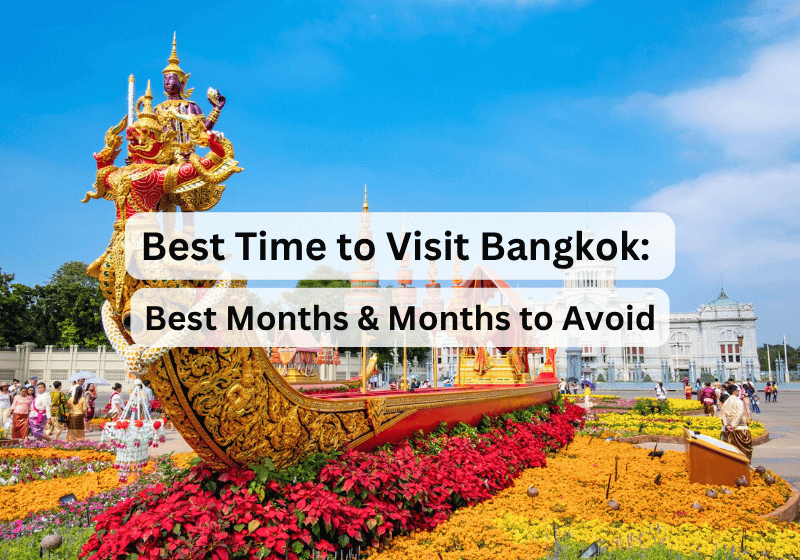
For many travelers, Bangkok is the starting point for a first trip to Thailand. What I love is the variety: glittering temples in the morning, an iced Thai tea over lunch, sunset along the Chao Phraya River, and street food after dark. It’s hot, busy, and a little chaotic, but that energy is part of what keeps drawing me back.
The best time to visit Bangkok is generally November through February, when the weather is relatively cooler and drier. April brings the excitement of Songkran, while the wetter months can suit a more affordable trip built around shopping, food, and massages.
Located in central Thailand, Bangkok is the country’s capital, officially known in Thai as Krung Thep Maha Nakhon. It’s a major cultural, shopping, and transportation hub, and a gateway to Thailand for many first-time visitors.
Bangkok is hot and humid year-round. Instead of spring, summer, fall, and winter, plan around its hot, rainy, and cool seasons.
So, when should you go? In this guide, I’ll cover Bangkok’s seasonal weather, average temperatures, what to wear, and the best places to visit—so you can choose the right month for your trip.
Table of Contents
☀️ Hot Season in Bangkok: March–May
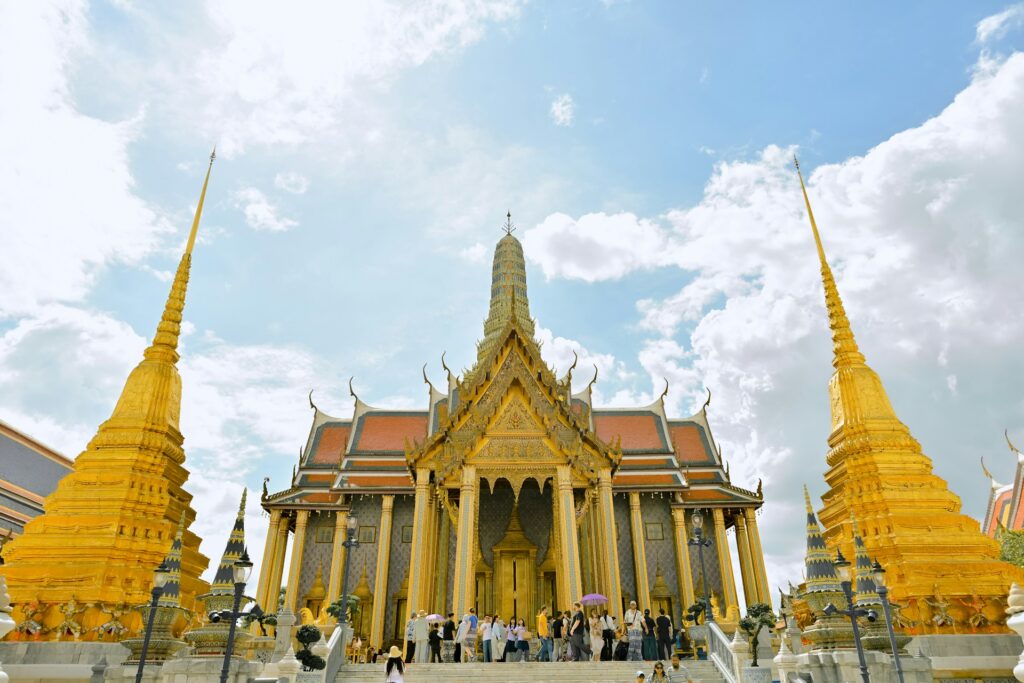
Wat Phra Kaew
The Vibe: Hot Days and a Festive Atmosphere
Bangkok Weather in the Hot Season
March through May is Bangkok’s hottest season, with April usually the hottest month. Average temperatures are around 86–87°F (30–31°C), with average lows of approximately 77–79°F (25–26°C) and highs of 93–95°F (34–35°C). Hot afternoons can exceed those averages, and the humidity makes the heat feel more intense. If you don’t handle heat well, long days outdoors can be tiring.
The highlight of this season is Songkran, Thailand’s traditional New Year celebration, in mid-April. Water fights, music, and festive crowds bring a lively atmosphere to Bangkok. If you want to join the celebrations, it’s an exciting time to visit. For a quieter trip focused on sightseeing and photography, avoid the busiest festival days.
Best Places to Visit in Bangkok During the Hot Season
🏛️ The Grand Palace | Phra Nakhon
The Grand Palace is one of Bangkok’s essential sights and a classic starting point for a first visit. Established in 1782, this palace complex is closely connected to Thailand’s royal history. Golden spires, intricate murals, and richly decorated buildings make it a striking introduction to Thai architecture. During the hot season, visit in the morning, before the courtyards become too hot and the crowds build up.
🛕 Wat Phra Kaew | Phra Nakhon
Located within the Grand Palace complex, Wat Phra Kaew houses the revered Emerald Buddha. Gold ornamentation, mythological statues, and detailed murals surround one of Thailand’s most important Buddhist sites. Beyond its beauty, the temple holds a central place in the country’s religious and royal traditions, so respectful dress and behavior are part of the visit.
🛍️ ICONSIAM | Khlong San
When Bangkok’s heat starts to feel overwhelming, ICONSIAM offers a welcome break. This riverside mall is home to luxury shops and restaurants, but the highlight for me is SOOKSIAM, which recreates the atmosphere of a Thai floating market indoors. You can browse stalls and sample street food and regional specialties, all in air-conditioned comfort.
After a morning at the Grand Palace, come here to cool down, have lunch, and browse the shops. An iced Thai tea and a break from the heat can do wonders for your energy!
What to Wear in Bangkok During the Hot Season
Focus on lightweight, breathable clothing and sun protection.
Clothing: Moisture-wicking T-shirts, thin shirts, and loose linen pants are comfortable choices.
Grand Palace dress code: For the Grand Palace and Wat Phra Kaew, choose a sleeved top with loose long pants or a long skirt. Avoid sleeveless tops, shorts, short skirts, sheer clothing, ripped pants, and tight pants.
Footwear: Comfortable walking shoes work well for a day of sightseeing. Choose a pair that is easy to remove when entering temple buildings.
Sun protection: Pack sunscreen, sunglasses, a sun hat, a handheld fan, and a small towel.
☔ Rainy Season in Bangkok: June–October
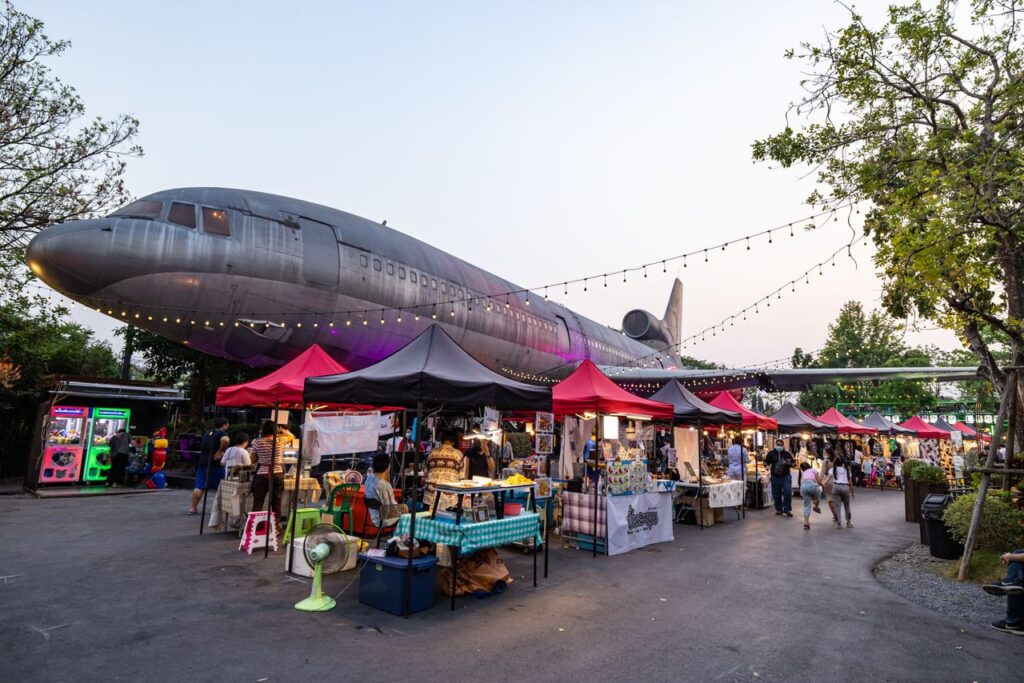
ChangChui Creative Park
The Vibe: A Slower Pace, Shopping, and Great Food
Bangkok Weather in the Rainy Season
June through October falls within Bangkok’s rainy season, although the rains often begin in May. Average temperatures are around 83–86°F (29–30°C), with average lows of approximately 76–78°F (24–25°C) and highs of 90–92°F (32–33°C). The weather is warm and humid, but the rainy season doesn’t mean nonstop rain every day. Heavy afternoon or evening showers are common, sometimes followed by clearer skies.
The advantages are fewer crowds at some attractions and the chance to find better hotel rates. The drawbacks are high humidity, thunderstorms, and occasional flooding on local streets. September and October are typically the wettest part of the year, with September recording the highest average rainfall.
I think of this as a season for enjoying Bangkok at a slower pace, with time for cafés, shopping, food, and massages. Plan outdoor sights for dry spells and keep the rest of the day flexible.
Best Places to Visit in Bangkok During the Rainy Season
🛍️ Siam Paragon | Siam, Pathum Wan
Siam Paragon sits at the heart of Bangkok’s shopping district, with convenient access from BTS Siam. Inside are international luxury brands, a well-stocked supermarket, plenty of dining options, and SEA LIFE Bangkok Ocean World on the basement level.
When heavy rain sets in, the Siam area easily fills half a day. Lunch, shopping, and picking up gifts can all fit into one relaxed outing while the storm passes outside.
🎨 Bangkok Art and Culture Centre (BACC) | Siam, Pathum Wan
BACC is a good rainy-day stop near the Siam shopping district, with art exhibitions, design events, small shops, and cafés. The atmosphere is more relaxed than the nearby malls, making it a lovely place to slow down and explore Bangkok’s contemporary creative scene. If you enjoy art, design, or photography, it deserves a place on your itinerary. It is normally closed on Mondays.
🛍️ Terminal 21 Asok | Asok
At the junction of BTS Asok and MRT Sukhumvit, Terminal 21 is an easy place to reach when the weather turns. Each floor takes inspiration from a different destination, including Tokyo, London, and San Francisco.
There are plenty of affordable shops, and the Pier 21 food court is a favorite for inexpensive meals. On a rainy afternoon, lunch and a little browsing here make a comfortable change from outdoor sightseeing.
🛕 Wat Pho | Phra Nakhon
Wat Pho is one of Bangkok’s most iconic temples, known for its enormous Reclining Buddha and its important role in preserving traditional Thai medicine and massage culture. It’s close to the Grand Palace, so the two fit naturally into the same day.
A cloudy day can make exploring the temple grounds more comfortable than under strong sunshine. If a downpour arrives, take a break in a sheltered area or nearby café before continuing.
🥢 Chinatown and Yaowarat Road | Samphanthawong
Bangkok’s Chinatown is one of the city’s great food neighborhoods, especially after the neon signs light up in the evening. Thai-Chinese cooking, seafood, noodle soups, desserts, and grilled snacks give you plenty of reasons to arrive hungry. Well-known stops include Nai Ek Roll Noodles and Lim Lao Ngow, known for its fish-ball noodles.
Heavy rain can interrupt an evening of street food. When that happens, settle into a covered restaurant, an old-style café, or a neighborhood bar, then head back out for a walk once the rain eases.
🌃 JODD FAIRS Ratchada Night Market
Just a short walk from Thailand Cultural Centre MRT station, JODD FAIRS Ratchada is a popular spot for street food and casual shopping. Browse stalls selling seafood, drinks, desserts, and souvenirs, or sit down to share its famous spicy pork-bone soup, often piled high into a “volcano.”
During the rainy season, keep this as a flexible evening stop for dinner and a stroll. If it’s pouring, save the market for another night.
What to Wear in Bangkok During the Rainy Season
The priorities are quick-drying clothing, good grip, and traveling light.
Clothing: Lightweight tops, loose shorts, and quick-drying skirts are useful for everyday sightseeing. Avoid heavy jeans, which can stay damp for hours after a downpour. Choose temple-appropriate clothing on sightseeing days.
Footwear: Wear secure sandals with good traction or walking shoes that can handle getting wet. Bangkok’s sidewalks can become slippery in the rain.
Useful extras: Carry a compact umbrella or lightweight rain jacket. A thin cardigan or shirt is handy for strongly air-conditioned malls, especially when you’ve just come in from the rain.
🌤️ Cool Season in Bangkok: November–February
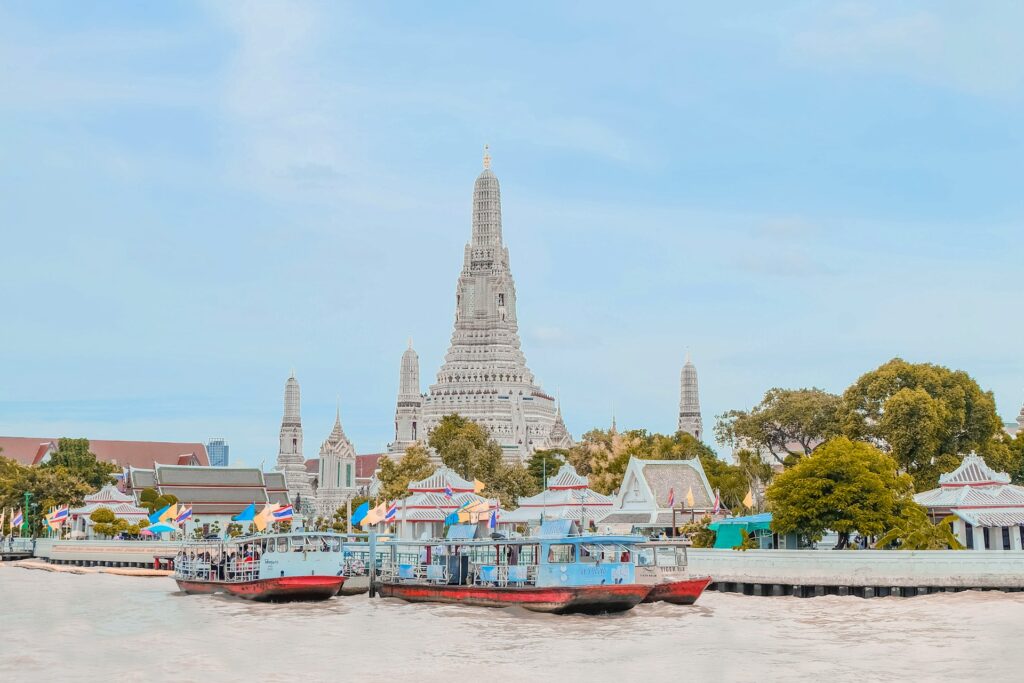
Wat Arun
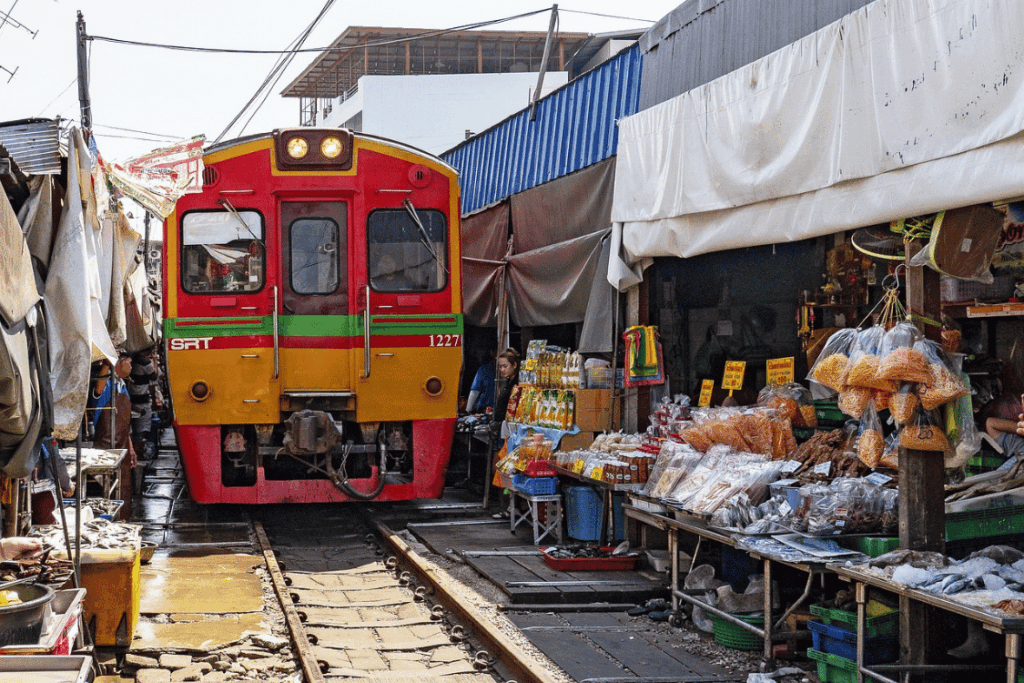
Maeklong Railway Market
The Vibe: Pleasant Weather for Temples, Markets, and Riverside Walks
Bangkok Weather in the Cool Season
November through February is generally Bangkok’s most comfortable season. There’s less rain, and the lower humidity makes sightseeing more comfortable. Average temperatures are around 81–84°F (27–29°C), with average lows of approximately 69–74°F (21–23°C) and highs of 88–91°F (31–33°C).
It’s still warm in direct sunlight, but mornings and evenings can feel pleasantly mild. This is the season for outdoor temples, weekend markets, riverside walks, and day trips beyond the city.
It’s also peak travel season. December and January are especially popular, with Christmas and New Year adding to demand for flights and hotels. Book ahead if you’re planning a visit during these holiday periods.
Best Places to Visit in Bangkok During the Cool Season
🛕 Wat Arun | Bangkok Yai
Wat Arun stands on the west bank of the Chao Phraya River, recognizable by its soaring central tower and intricate ceramic decoration. The relatively dry weather makes this a lovely season to visit in the late afternoon, when softer light brings out the details.
For sunset views of the temple, head to the opposite riverbank after your visit. Wat Arun is one of Bangkok’s most photogenic landmarks, but it also offers a glimpse into the city’s history and its relationship with the river.
🛶 Chao Phraya River
The Chao Phraya connects many of Bangkok’s major sights, including the Grand Palace area, Wat Arun, riverside hotels, and ICONSIAM. Cool-season evenings are particularly pleasant on the water, with less oppressive heat and a lower chance of heavy rain.
Choose a public river boat, a sightseeing boat, or a dinner cruise. Try taking at least one boat ride on your first visit—the view from the river reveals a different side of Bangkok from the busy streets.
🛒 Chatuchak Weekend Market | Chatuchak
Chatuchak is Bangkok’s famous sprawling weekend market, with thousands of stalls selling clothing, jewelry, fragrances, handmade goods, home accessories, and food. Browsing is more comfortable in the cool season, though mornings are still preferable to the busiest afternoon hours.
What I love about Chatuchak is the sense of discovery—you might come across a handmade souvenir or a small design stall that catches your eye. Saturday and Sunday are the best days for the full shopping experience.
🌿 Maeklong Railway Market | Samut Songkhram
For a stay of 5 days and 4 nights, a day trip outside Bangkok adds variety. Maeklong Railway Market is famous for its extraordinary routine: as a train approaches, vendors quickly fold back awnings and clear goods from the tracks, then put everything back once it passes.
The cool season is a good fit for an outing with plenty of time outdoors. Time your visit around a scheduled train arrival or departure to see the market’s defining moment.
🛶 Damnoen Saduak Floating Market | Ratchaburi
About 1.5 – 2 hours from central Bangkok by road, depending on traffic, Damnoen Saduak is often paired with Maeklong Railway Market on a day trip. A boat ride takes you through canals lined with vendors selling fruit, noodle soup, and souvenirs.
It’s undeniably touristy, but the colorful boats and busy waterways still make it a memorable introduction to Thailand’s floating markets. For first-time visitors, it’s a classic experience with plenty to photograph.
What to Wear in Bangkok During the Cool Season
Bangkok’s cool season still feels like summer during the day.
Clothing: Pack breathable T-shirts, cotton or linen dresses, and lightweight shirts. White and other light colors are easy choices for sunny sightseeing days.
A light layer: Bring a thin jacket or cardigan for early mornings, air-conditioned buses, and breezy evening boat rides.
Temple etiquette: Keep shoulders and knees covered at religious sites. For the Grand Palace, choose a sleeved top with loose long pants or a long skirt.
📌 When Is Peak Season in Bangkok?
Bangkok’s peak travel season runs broadly from November through March, with December and January among the busiest months.
November: Peak Season Begins
As the rainy season eases, more travelers arrive for outdoor sightseeing. November is a good option for enjoying Bangkok before the Christmas and New Year rush.
December–January: Holiday Crowds and Higher Prices
Christmas, New Year, and winter vacations bring larger crowds and often higher flight and hotel prices. Shopping districts, riverside restaurants, and rooftop bars feel especially lively.
February–March: Still Popular, With Rising Temperatures
February generally offers comfortable sightseeing weather, though Lunar New Year can bring a surge in visitors when it falls during the month. March remains popular, but the heat becomes more noticeable. Prices may be more appealing than during the year-end holidays.
💡 Cathead’s Pro Tip: For a quieter peak-season trip, consider November or February outside Lunar New Year, and avoid the Christmas and New Year holiday period.
📌 Bangkok’s Low Season: What Is the Cheapest Month to Travel to Bangkok?
Bangkok’s low season generally falls between May and October. For a lower-cost trip, I recommend comparing May, June, and September, especially for accommodation.
May–June: Better Value After Songkran
After April’s celebrations, demand can ease and hotel rates may come down. It’s still hot, with rain becoming more frequent.
July–August: Summer Vacation Can Push Airfares Up
School vacations in the US and elsewhere can keep flights expensive, even when Bangkok hotels offer low-season rates.
September–October: Good Months to Look for Hotel Deals
These rainy months are worth checking for bargains if shopping, food, and massages are your priorities.
💡 Cathead’s Pro Tip: Consider June for a mix of sightseeing and value, or September if saving money comes first. The cheapest month for US flights varies by route and departure date.
📌 What Is the Best Time to Visit Bangkok for Good Weather?
November through February offers the best overall combination of relatively dry weather and comfortable sightseeing temperatures.
November–December: The Weather Turns Drier
November marks the transition out of the rainy season, while December is usually particularly dry. Both suit temple visits, riverside walks, and evening markets.
January–February: Little Rain and Warm Days
January is relatively mild by Bangkok standards. February gets warmer, but both months are generally more comfortable for outdoor sightseeing than April.
💡 Which is the best month to go to Bangkok? For a first visit, I recommend November, January, or February.
📌 When Is the Worst Time to Visit Bangkok?
April is the hardest month if you dislike intense heat, while September and October are less suitable for a trip focused on outdoor sightseeing because of the rain.
Neither season needs to be ruled out altogether. April is appealing if you want to celebrate Songkran, and rainy-season trips can work well for shopping, dining, and relaxation.
📌 What Is the Best Time to Visit Bangkok for Shopping?
November–February is best for outdoor markets such as Chatuchak, when browsing is more comfortable. For malls such as Siam Paragon, CentralWorld, ICONSIAM, and Terminal 21, any month works well.
If shopping is the main reason for your trip, May, June, or September can be worth comparing for accommodation savings. You’ll have plenty to do indoors even when it’s hot or raining.
🇹🇭 Bangkok Travel Tips for First-Time Visitors
🔎 Is Bangkok Easy to Explore on Your Own?
Yes—Bangkok is easy to explore without joining a tour. The BTS Skytrain, MRT subway, river boats, and Grab (Southeast Asia’s Uber equivalent) make it convenient to reach many of the city’s popular sights, shopping areas, and hotels.
What I like most is the freedom to plan each day around your interests. Stay around Siam, Chit Lom, or Asok for shopping and convenient transportation, spend a day exploring the Grand Palace, Wat Pho, and Wat Arun, or leave more time for Chinatown, weekend markets, and a Thai massage. Grouping nearby sights together helps you spend more time enjoying Bangkok and less time in traffic.
🔎 How Many Days Do You Need in Bangkok?
For a first visit, I recommend at least 4 days and 3 nights for temples, markets, shopping, and a massage or two. 5 days and 4 nights gives you more room for a day trip to Damnoen Saduak, Maeklong Railway Market, or Ayutthaya.
Suggested Bangkok Itinerary: 4 Days and 3 Nights
Day 1: Arrival, Hotel Check-In, Massage, and a Night Market
Start at an easy pace, with a Thai massage and a casual evening of night-market food.
Day 2: Bangkok’s Classic Temples
Visit the Grand Palace and Wat Phra Kaew, continue to Wat Pho, and cross the river to Wat Arun.
Day 3: Markets or Mall Shopping
On Saturday or Sunday, explore Chatuchak Weekend Market. On weekdays, head to Siam, CentralWorld, or ICONSIAM instead.
Day 4: Departure
Depending on your flight time, pick up snacks and souvenirs at Big C or a nearby mall, or fit in a final massage before heading to the airport.
🔎 Is $1,000 Enough for 2 Weeks in Thailand?
Yes—$1,000 per person can cover a budget-conscious two-week trip, excluding international flights. That’s around $71 per day.
Here’s an illustrative budget for 14 days and 13 nights, assuming two adults share a modest hotel room:
| Expense | Per Person (USD) |
| Accommodation (share of a $50/night room for 13 nights) | $325 |
| Food & Drinks | $210 |
| Local Transit & Regional Travel | $130 |
| Attractions and massages | $140 |
| Buffer / Extras | $195 |
| Total Target Budget | $1,000 |
This suits local meals and a small number of destinations. Multiple domestic flights, upscale hotels, and major shopping require more; travel insurance is separate.
📝 Avoid Bangkok’s Rush-Hour Traffic
Traffic is particularly heavy during weekday commuting hours. Use the BTS or MRT when practical, and consider boats for riverside sights. Grab is convenient, but fares can rise at busy times and cars still get caught in traffic.
📝 Bring Both Cards and Cash
Credit cards are widely accepted at major hotels, malls, and many restaurants, while street-food stalls, markets, small shops, and some massage businesses still rely on cash. Keep a supply of smaller Thai baht notes for everyday purchases.
Final Thoughts
Best Time to Visit Bangkok? November through February is my pick for a first trip to Bangkok, with cooler, drier weather that makes exploring more comfortable. April brings the excitement of Songkran, while May, June, and September are worth considering for a more affordable trip if you don’t mind some rain.
What I love about Bangkok is the variety: exploring temples, sampling street food, browsing markets, and watching the city from the river. Choose a season that suits your plans, leave room to slow down, and enjoy the city at your own pace.
*All information provided above is for reference only. For full details, please refer to the official websites of the respective hotels and organizations.
🌍 Explore More:
👉 Where to Stay in Bangkok: Best Areas & Hotels for First-Timer Visitors
👉 Best Time to Visit Singapore: Weather & Months to Avoid
👉 Where to Stay in Singapore (2026): Top Areas & Best Hotels
👉 Best Time to Visit Hong Kong 2026: Weather, Festivals & Things to Do
👉 Hopewell Hotel Hong Kong Review: Is This New Wan Chai Hotel Worth It?
👉 Where to Stay in Hong Kong (2026): Best Areas & Hotels for First-Time Visitors
👉 Best Time to Visit Nagoya 2026: Weather, What to Wear & Things to Do
👉 Hilton Nagoya Hotel Review: Spacious Rooms, Western Comfort & Breakfast Buffet
✈️ Airport Lounge Reviews:
👉 Cathay Pacific The Bridge Lounge Review (Hong Kong Airport): Food, Bar & Access
👉 Cathay Pacific The Deck Lounge Review at Hong Kong Airport: Is It Worth It?
👉 Qantas Lounge Hong Kong Review: Food, Seating & Overall Experience

Hi, I’m Cat Head! Having lived in the US, Canada, and Hong Kong, I bring a unique global perspective to the world of travel. I’m a Japan travel specialist dedicated to finding the best travel deals and crafting seamless DIY itineraries.
Whether you’re looking for luxury hotel reviews on a budget or travel hacks, I share my first-hand experiences and travel tips to make your next trip unforgettable.