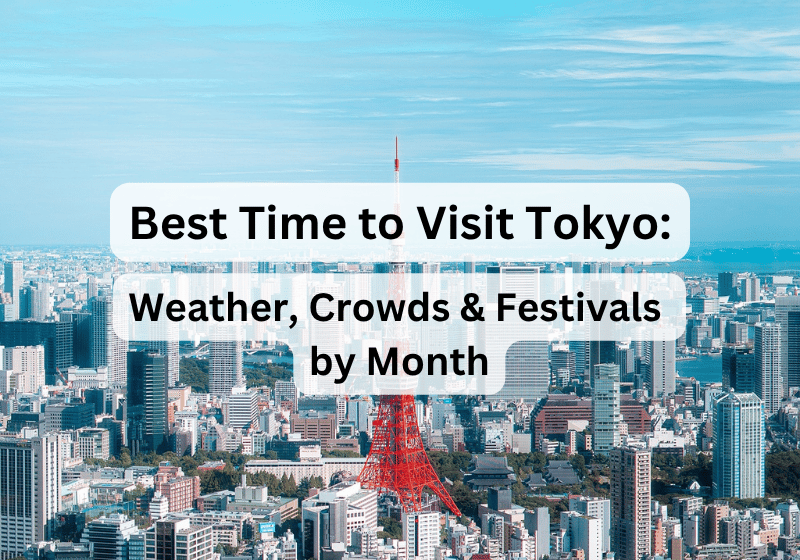
When Is the Best Time to Visit Tokyo? Weather, Crowds & Festivals by Month
Tokyo is Japan’s capital and the center of one of the largest metropolitan areas in the world. From the traditional shitamachi neighborhoods to the neon-lit streets of Shinjuku and Shibuya, and from expertly prepared sushi and tempura to Michelin-recognized ramen, Tokyo can feel like several completely different journeys packed into one city.
The city has four distinct seasons. Spring brings cherry blossoms, summer fills the streets with festivals and fireworks, fall paints the parks in warm colors, and winter transforms Tokyo with illuminations, shopping events, and occasional snow.
Tokyo is also one of Asia’s easiest major cities to explore. Its extensive network of JR trains, subways, and private railways connects almost every neighborhood, while accommodations range from affordable business hotels to traditional inns and luxury properties. Exhibitions, concerts, seasonal events, and new Tokyo things to do appear throughout the year.
So, when is the best time to visit Tokyo? There is no single answer. It depends on the type of experience you want—and how much you are willing to compromise on weather, crowds, and cost.
I’m Cathead, and in this guide, I’ll take you through Tokyo season by season and month by month. I’ll also explain the busiest travel periods, the cheapest months, and the best time to visit Tokyo if you want to avoid crowds.
Table of Contents
🌸 Spring in Tokyo: March – May

The Vibe: Mild Weather, Dreamy Cherry Blossoms & Fresh Greenery
Spring temperatures in Tokyo generally range from 50 to 68°F (10–20°C). Humidity is comfortable, although mornings and evenings can still feel chilly, particularly in March.
March begins with cool early-spring weather before cherry blossoms usually start opening toward the end of the month. Early April is often the peak of cherry blossom season, while late April becomes warmer and greener. May brings fresh leaves, pleasant sunshine, and some of the most comfortable walking weather of the year.
For many travelers, late March through early April is the best time to visit Tokyo for cherry blossoms. However, the exact blooming dates vary every year depending on the weather, so check the official forecast before booking a trip built entirely around the flowers.
Tokyo Things to Do in Spring
🌸 Ueno Park
Ueno Park is one of Tokyo’s most famous cherry blossom viewing locations. More than a thousand cherry trees spread along its central walkway, creating a completely different atmosphere during the day and at night.
In the daytime, families and friends gather beneath the trees for hanami (cherry blossom viewing) picnics. After sunset, seasonal lights illuminate the blossoms and give the park a livelier atmosphere.
Ueno is also one of Tokyo’s most important cultural districts. The Tokyo National Museum, National Museum of Western Art, Tokyo Metropolitan Art Museum, and National Museum of Nature and Science are all nearby. You can easily combine cherry blossom viewing with museums and a café break.
If you want a quieter experience, I recommend arriving early in the morning before the largest crowds appear.
🌸 Meguro River, Nakameguro
Cherry trees line both sides of the Meguro River, creating a beautiful canopy over the water. When the wind picks up, pale pink petals fall onto the river like spring snow.
The riverside becomes especially romantic after sunset, when the blossoms are illuminated. Nakameguro is also filled with independent boutiques, cafés, restaurants, and bars, so there is plenty to explore after your walk.
👉 The Japanese expression sakura namiki refers to a road, path, or riverbank lined with cherry trees.
Meguro River is undeniably beautiful, but it is also one of Tokyo’s most crowded cherry blossom spots. Visit on a weekday morning if photography and a more relaxed walk are priorities.
🏞 Showa Kinen Park, Tachikawa
Located in Tachikawa in western Tokyo, Showa Kinen Park opened in 1983 as part of a project commemorating Emperor Showa. Covering approximately 445 acres, it is one of the largest parks in Tokyo and a rare place where visitors can experience seasonal flowers on a much bigger scale.
Spring here is not limited to cherry blossoms. Tulips, rapeseed flowers, green lawns, and fresh leaves transform the park into a huge, colorful landscape.
Because the grounds are so extensive, renting a bicycle is one of the most enjoyable ways to explore. Families, couples, and solo travelers can all find a peaceful corner away from central Tokyo’s crowds.
😺 Cathead’s tip: Showa Kinen Park is much larger than it looks on a map. I recommend setting aside most of a day so you can explore without rushing.
What to Wear in Tokyo During Spring
Layers are the safest choice. Bring a light sweater or shirt with a thin jacket or trench coat. A scarf can be useful in the early morning and after sunset.
You should also pack a compact umbrella and comfortable walking shoes. If you plan to join a cherry blossom picnic, keep in mind that the grass may still be damp.
☀️ Summer in Tokyo: June – August

The Vibe: Lively Festivals, Spectacular Fireworks & Energetic Summer Nights
Summer temperatures in Tokyo generally range from 77 to 95°F (25–35°C), but the high humidity can make it feel even hotter.
June marks the beginning of the rainy season, which usually continues from around mid-June into early July. It does not necessarily rain all day, but cloudy skies, sudden showers, and humid afternoons are common.
July becomes hotter as the rainy season ends, while August is usually the hottest and most humid month. Typhoons can also approach the Tokyo region during late summer, occasionally causing flight and train disruptions.
Despite the challenging weather, summer is one of Tokyo’s liveliest seasons. Traditional festivals, food stalls, wind chime displays, and fireworks bring a completely different energy to the city.
Tokyo Things to Do in Summer
🎆 Sumida River Fireworks Festival, Asakusa
The Sumida River Fireworks Festival is one of Tokyo’s oldest and largest fireworks events. Its history can be traced back to the Edo period, and it remains one of the city’s most recognizable summer traditions.
The festival is typically held on the final Saturday of July, although travelers should always confirm the official date before making plans.
More than 20,000 fireworks fill the sky above the Sumida River, with Tokyo Skytree and the traditional streets around Asakusa creating a dramatic background. The festival attracts enormous crowds, so arriving early or reserving a paid viewing area is highly recommended.
Wearing a light summer yukata and exploring the festival food stalls makes the evening feel even more special.
🏖 Odaiba Seaside Park and Tokyo Waterfront
Odaiba Seaside Park has an artificial beach and open views across Tokyo Bay, making it one of the few parts of the city that feels like an urban island escape.
The surrounding waterfront district combines shopping malls, entertainment venues, observation areas, and digital art exhibitions. It is easy to spend an entire afternoon here before staying for the evening views.
I particularly enjoy arriving in the late afternoon, walking beside the water, and watching Rainbow Bridge light up after sunset. The sea breeze can also feel refreshing after a hot day in central Tokyo.
🏮 Kanda Myojin and Akihabara
Kanda Myojin is a historic Shinto shrine with more than a thousand years of history. It has long been associated with protecting the prosperity of Tokyo’s residents, merchants, and businesses.
Just a short walk away, Akihabara represents a completely different side of Tokyo. The neighborhood is internationally known for electronics, anime, manga, gaming, and Japanese pop culture.
The contrast between the two areas is part of what makes this route so interesting. In recent years, Kanda Myojin has even become known as a spiritual guardian for technology professionals. Its IT-themed protective charms are especially popular with engineers, developers, and gamers.
During summer, the shrine may hold small markets and seasonal events featuring wind chimes, food stands, and limited-edition souvenirs. After visiting the shrine, you can walk into Akihabara to explore electronics stores and anime shops.
😺 Cathead’s tip: Mid-August coincides with Obon, a period when many people in Japan return to their hometowns. Festivals and domestic travel overlap, increasing demand for hotels and long-distance trains. If you are concerned about crowds, consider a weekday in late July or toward the end of August instead.
What to Wear in Tokyo During Summer
Choose lightweight, moisture-wicking clothing, breathable shorts or skirts, and comfortable walking shoes. Carry a compact umbrella, sunscreen, insect repellent, and a small towel.
A portable fan can also make a noticeable difference, especially while waiting outdoors.
🍁 Autumn in Tokyo: September – November

The Vibe: Comfortable Weather, Golden Ginkgo Trees & Colorful Fall Foliage
Autumn temperatures in Tokyo generally range from 54 to 72°F (12–22°C). Humidity gradually decreases, and clear days become more common as the season progresses.
September can still feel like summer, and typhoons remain a possibility. October usually brings cooler, more comfortable conditions, while November offers crisp air and colorful foliage.
If you are choosing the best time to visit Tokyo based on temperature, October and November provide one of the most comfortable combinations of mild weather, lower humidity, and clear skies.
The leaves usually begin changing in mountain areas outside the city before the colors gradually reach central Tokyo in late November and sometimes early December.
Tokyo Things to Do in Autumn
🍁 Rikugien Garden, Komagome
Rikugien is a traditional Edo-period strolling garden built around a central pond. During fall, its maple trees add rich shades of red and orange to the paths, small hills, bridges, and reflections on the water.
Seasonal evening illuminations are sometimes held during the peak foliage period. When available, I recommend arriving in the late afternoon so you can see the garden in daylight before the lights come on.
Rikugien is easily reached by JR and Tokyo Metro, making it a convenient choice for travelers who want to experience traditional Japanese scenery without leaving the city.
🍁 Meiji Jingu Gaien Ginkgo Avenue
The golden ginkgo avenue at Meiji Jingu Gaien is one of Tokyo’s most recognizable fall scenes. Rows of tall ginkgo trees line both sides of the road, creating a bright yellow corridor when the leaves reach their peak.
Several cafés are located nearby, making this an ideal place for a slow walk followed by a coffee break. Watching the wind gently move through the golden leaves is a simple but memorable Tokyo experience.
The avenue becomes extremely busy on weekends during peak foliage. Visit early on a weekday if you want clearer photographs and a quieter atmosphere.
🖼 A Cultural Day Around Ueno
Ueno is not only home to a famous zoo. It is also Tokyo’s most concentrated museum and cultural district.
Within and around Ueno Park, you will find the Tokyo National Museum, National Museum of Western Art, Tokyo Metropolitan Art Museum, and National Museum of Nature and Science. Together, they cover art, history, archaeology, and the natural sciences.
Major exhibitions are frequently held during fall, making this a particularly good season for museum lovers. It is also an excellent backup plan if you encounter rain or unexpectedly cool weather.
What to Wear in Tokyo During Autumn
Pack long-sleeved shirts with a light jacket, cardigan, or sweater. Long pants and skirts are comfortable for most days.
Early September can still feel hot, while mornings and evenings become noticeably cooler in November. A light scarf or shawl is useful later in the season.
❄️ Winter in Tokyo: December – February

The Vibe: Clear Skies, Dazzling Illuminations & Cozy Hot-Spring Escapes
Winter temperatures in Tokyo generally range from 32 to 50°F (0–10°C). The air is cold and dry, but many days are clear and sunny.
December brings seasonal illuminations and Christmas events. January begins with New Year celebrations and shrine visits, while February is generally quieter and can offer lower hotel prices. Snowfall in central Tokyo is relatively uncommon, although occasional cold fronts can bring light snow and temporary transportation delays.
Winter can be an excellent time to visit if you prefer clear skies, smaller crowds, and indoor attractions.
Tokyo Things to Do in Winter
✨ Marunouchi and Roppongi Winter Illuminations
Winter illuminations are a major part of Tokyo’s seasonal culture. From around mid-November through winter, shopping centers and business districts transform their streets with elaborate light displays.
Marunouchi and Roppongi are two of the city’s best-known illumination areas. Marunouchi Naka-dori creates an elegant atmosphere with trees covered in warm golden lights, while Roppongi’s Keyakizaka Street uses blue and white lights for a more modern look.
The best time to visit is from early evening onward. Most outdoor illuminations are free, and many are combined with Christmas markets, shopping promotions, and limited seasonal menus.
🛍 Year-End Shopping in Ginza and Nihonbashi
Ginza and Nihonbashi represent two different sides of shopping in Tokyo. Ginza is associated with luxury fashion, contemporary design, and department stores, while Nihonbashi retains a strong connection to traditional businesses dating back to the Edo period.
Seasonal promotions begin appearing around mid-December, followed by larger New Year sales in January. In Nihonbashi, you can shop for traditional Japanese sweets, tea, kitchen knives, and handcrafted products.
Both districts also feature illuminations and limited seasonal events toward the end of the year. For a more comfortable experience, visit on a weekday and avoid the evening rush hour.
♨️ Hot Springs in Hakone or Okutama
Hakone and Okutama are two popular choices for a winter escape from central Tokyo.
Hakone is approximately 90 minutes from Shinjuku and has a wide selection of traditional inns, sightseeing attractions, and hot-spring baths. Okutama is quieter and is known for its forested mountains, rivers, valleys, and walking trails.
There is something especially relaxing about soaking in a hot bath while looking out over a winter landscape. Hakone is more convenient and has more tourist facilities, while Okutama feels calmer and closer to nature.
Both offer a welcome change of pace after several days surrounded by Tokyo’s bright lights and busy train stations.
What to Wear in Tokyo During Winter
Pack a warm coat or down jacket, sweaters, thermal base layers, warm pants, gloves, and a scarf.
Tokyo’s winter air can be extremely dry, so lip balm and moisturizer are useful. Comfortable shoes with good grip are also recommended, especially if light snow or ice is forecast.
📝 What Months Are Peak Travel Seasons in Tokyo?
Tokyo does not have just one peak season. Instead, several major travel periods appear throughout the year.
📌 Cherry blossom season, from around late March to early April: This is one of Tokyo’s busiest and most expensive travel periods. Hotels near major sightseeing areas often increase their prices, while famous cherry blossom locations become extremely crowded.
📌 Golden Week, from late April to early May: Golden Week is a series of Japanese national holidays occurring close together. Domestic travel increases dramatically, creating heavy demand for hotels, attractions, and transportation in Tokyo and nearby destinations.
📌 Summer festivals and Obon, from July through mid-August: Fireworks and traditional festivals attract both international visitors and local residents. Travelers must also manage high temperatures, humidity, and crowded trains.
📌 Late fall through New Year: Late-November foliage, winter illuminations, Christmas events, shopping promotions, and New Year celebrations increase demand for accommodations and restaurant reservations.
If you want to see Tokyo at its liveliest, these periods can be incredibly exciting. However, if your goal is a quieter and more affordable trip, the lower-season periods below will probably suit you better.
🎡The same crowd patterns are useful when deciding the best time to visit Tokyo Disneyland.
Non-holiday weekdays in mid-January through February, mid-May after Golden Week, or the June rainy season are usually better than weekends and major Japanese holidays.
Golden Week, Obon, school vacations, and the Christmas and New Year periods are generally much busier.
📝 What Are the Cheapest Months to Go to Tokyo?
The most affordable periods are generally mid-January through February, parts of the June rainy season, and selected weekdays in late September.
💡 Mid-January through February: Avoid the first week of January and major Lunar New Year travel dates. The weather is cold but often dry and sunny. Hotel and airfare prices may be lower, while winter shopping promotions continue.
💡 Mid-June through early July: The rainy season discourages some visitors, so flights and accommodations can offer better value. Bring rain gear and balance outdoor sightseeing with museums, cafés, shopping, and other indoor activities.
💡 Weekdays in late September: Temperatures gradually become more comfortable, but the fall foliage peak has not yet begun. Prices can be friendlier than in October and November. However, avoid Japanese holiday weekends and monitor the weather forecast because typhoons are still possible.
📝 What Is the Best Time to Visit Tokyo to Avoid Crowds?
The best time to visit Tokyo to avoid crowds is usually from mid-January through February, excluding New Year and Lunar New Year travel weeks.
Weekdays during the June rainy season can also be relatively quiet. You may encounter rain and humidity, but museums, shopping districts, cafés, and indoor attractions make it easy to create a flexible itinerary.
If you want pleasant weather without peak cherry blossom or fall foliage crowds, consider mid-May after Golden Week or weekdays in late September. These periods are not completely empty, but they offer a better balance of weather, prices, and visitor numbers.
💡 Visiting famous attractions early in the morning also makes a major difference. Asakusa, Shibuya, Meiji Shrine, and Tsukiji Outer Market feel very different before tour groups and local shoppers arrive.
📝 How Many Days Do You Really Need in Tokyo?
For a first visit, I recommend at least four full days.
Four days will allow you to explore major areas such as Shibuya, Shinjuku, Asakusa, Ueno, Ginza, and Tokyo Station without spending your entire trip rushing between train stations.
Five to seven days is better if you want to explore Tokyo at a slower pace, visit museums, discover local neighborhoods, spend a day at Tokyo Disneyland, or take a side trip to Hakone, Kamakura, Nikko, or Yokohama.
Tokyo is not a city you can truly finish in one trip. Even after several visits, I continue to find small restaurants, quiet shrines, specialist stores, and neighborhoods with completely different personalities.
Final Thoughts: When Is the Best Time to Visit Tokyo?
Here is my simple Cathead summary of the best time to visit Tokyo:
If comfortable weather and long days of walking are your priorities, choose October or November, or visit between late April and May after Golden Week.
If you want to save money and do not mind cold weather or occasional rain, consider mid-January through February or weekdays between mid-June and early July.
Simply pack plenty of indoor backup plans—like museums, themed cafés, covered shopping arcades, and electronics districts—and you will still have an incredible trip.
If you want festivals and a lively seasonal atmosphere, visit during peak cherry blossom week, the summer fireworks season, or the Christmas and New Year period. Just be prepared for larger crowds and higher prices.
Travel doesn’t have a single correct answer. What matters is the version of Tokyo you want to experience: a city blanketed in cherry blossoms, glowing beneath summer fireworks, framed by golden autumn leaves, or illuminated by winter holiday lights on a crystal-clear night.
I hope this Tokyo seasonal guide helps you pinpoint the perfect month and plan an unforgettable vacation that matches your travel style. 🐱✈️
*All information provided above is for reference only. For full details, please refer to the official websites of the respective hotels and organizations.
🌍 Plan Your Japan Trip:
👉 La Vista Tokyo Bay Review: Are the Seafood Breakfast and Onsen Worth It?
👉 Where to Stay in Tokyo: Mitsui Garden Hotel Toyosu Premier Review
👉 Where to Stay in Fukuoka (2026): Best Areas & Hotels in Hakata and Tenjin
👉 Where to Stay in Fukuoka: Hotel Oriental Express Fukuoka Nakasu Kawabata Review
👉 Best Fukuoka Hotel Near Hakata Station? Hotel Forza Chikushi-Guchi I Review
👉 Uminonakamichi Seaside Park in Fukuoka: Complete Day Trip Guide for 2026
👉 Best Places to Eat in Fukuoka: Top Hakata & Tenjin Restaurants
👉 Best Time to Visit Fukuoka: The Ultimate Guide
👉 Best Time to Visit Nagoya 2026: Weather, What to Wear & Things to Do
👉 Hilton Nagoya Hotel Review: Spacious Rooms, Western Comfort & Breakfast Buffet
👉 Best Time to Visit Hokkaido, Japan: Weather, Seasons & Travel Tips

Hi, I’m Cat Head! Having lived in the US, Canada, and Hong Kong, I bring a unique global perspective to the world of travel. I’m a Japan travel specialist dedicated to finding the best travel deals and crafting seamless DIY itineraries.
Whether you’re looking for luxury hotel reviews on a budget or travel hacks, I share my first-hand experiences and travel tips to make your next trip unforgettable.