- 2026-10-29 Published
- 2026-11-01 Updated
- Asia,
- By Cat Head
Best Time to Visit Bali: Weather, Crowds & Cheapest Months
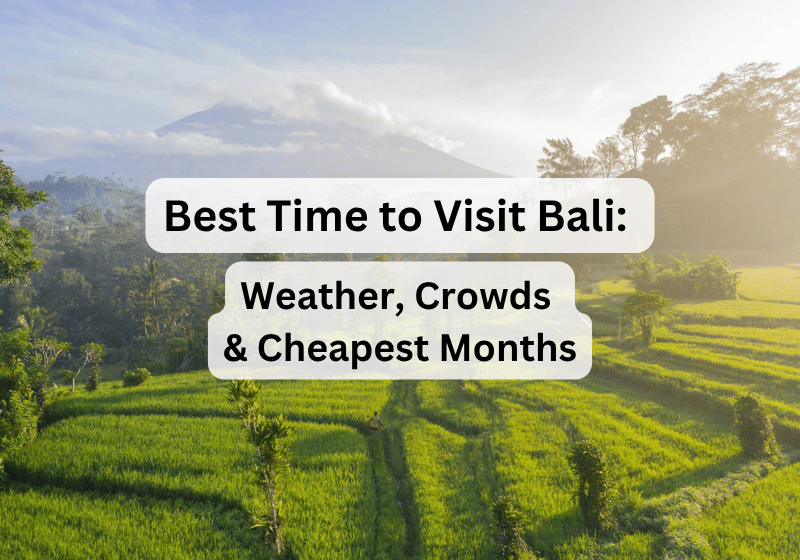
A morning walk along the beach, an afternoon exploring rice terraces and village temples, then dinner overlooking the ocean as the sky turns orange—Bali brings beach days and cultural discoveries together in one trip.
For most first-time visitors, my picks for the best time to visit Bali are May, June, and September. These months generally offer drier weather and fewer crowds than the July–August peak, making them a good choice for both inland sightseeing and time by the coast.
Bali stays warm year-round, with a generally drier season from April through October and a rainy season from November through March.
This Indonesian island sits between Java and Lombok, just south of the equator. Its southern coast is home to beach resorts, restaurants, and water activities, while Ubud and the interior offer rice fields, river valleys, and villages. Hindu temples and local ceremonies are part of everyday life, giving you plenty to discover beyond the beaches.
In this guide, I’ll cover Bali’s weather, crowds, and cheaper months, along with places to visit, a suggested itinerary, and a practical budget to help you plan your trip.
Table of Contents
🌸 Spring in Bali: March – May
The Vibe: Easing Rain, Rice Terraces, and Temples
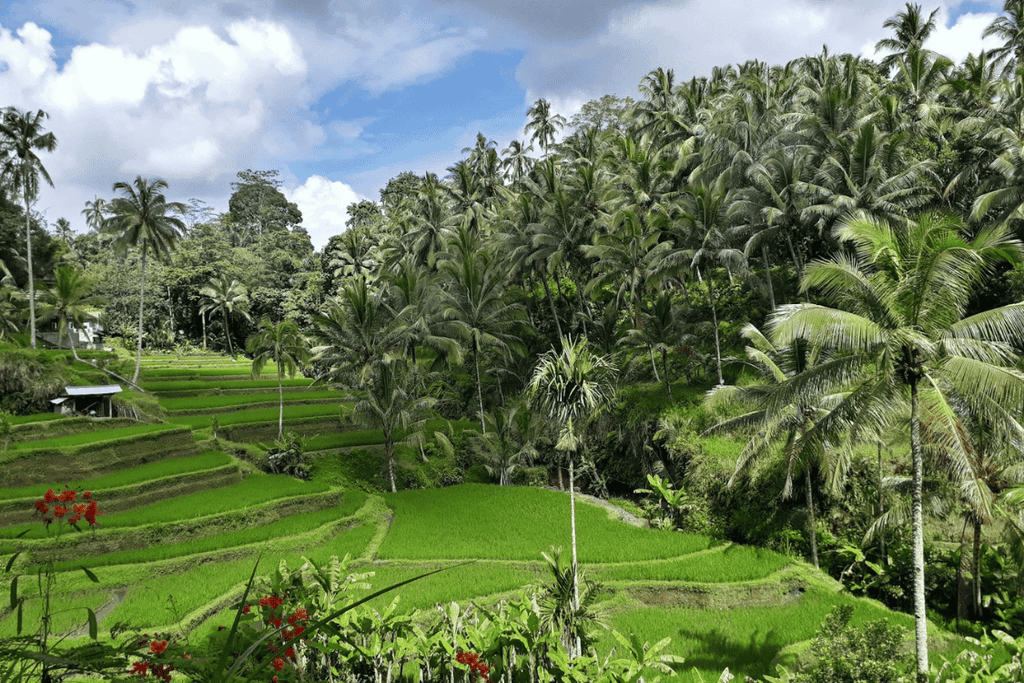
↑ Tegallalang Rice Terrace
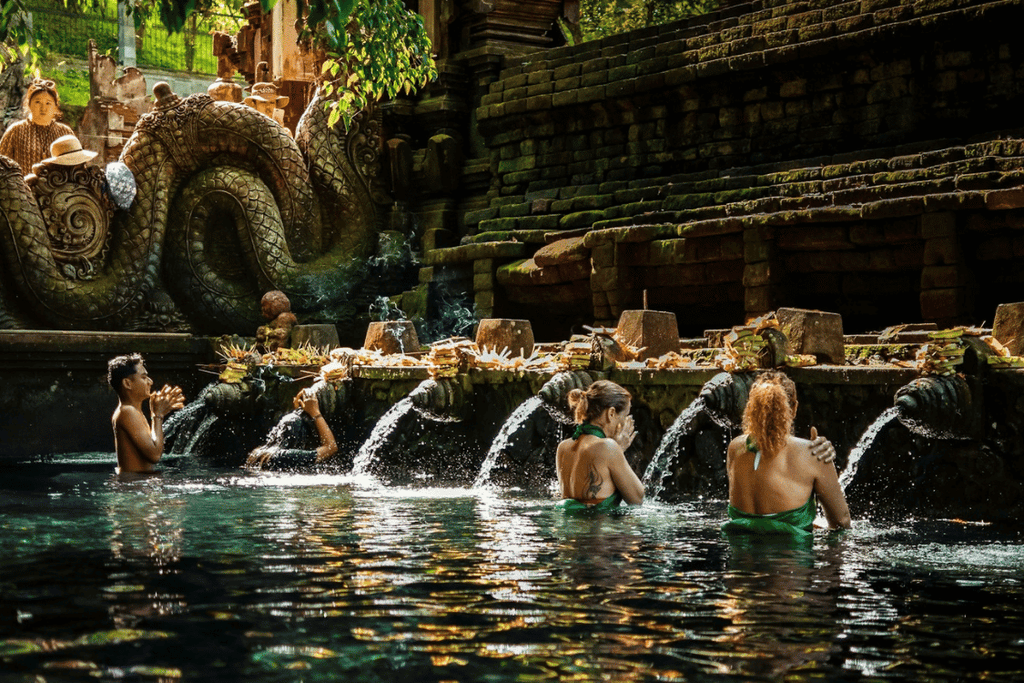
↑ Tirta Empul Temple
What Is Bali’s Weather Like in Spring?
💡Bali stays warm year-round, with two main seasons: wet and dry. April through October is generally drier, while November through March is the rainy season. The change is gradual, and the timing varies each year.
In this guide, I’ve organized the months into four seasonal sections to make planning easier.
March often brings lingering rain, April usually sees conditions start to improve, and by May, it’s generally easier to plan beach days, rice-field walks, and temple visits.
Average temperatures from March through May are around 82°F (28°C), with average lows of 77°F (25°C) and highs of 88°F (31°C). As the rain eases toward late spring, it’s a good time to explore Bali’s rice terraces and temples.
💡 February through April can be worth considering for lush rice terraces, though planting and harvesting vary between fields. If green rice fields are a priority, ask your hotel or a local guide about recent conditions before planning your visit.
Places to Visit in Bali in Spring
🌾 Jatiluwih Rice Terraces | Tabanan
Jatiluwih lies in the hills of Tabanan and is best explored with a private driver. Wide stretches of rice terraces follow the slopes, with forests and mountains in the distance. Walking along the field paths lets you see the rice plants and irrigation channels up close, with different views of the terraces along the way.
The area forms part of the UNESCO-listed Cultural Landscape of Bali Province, inscribed in 2012. Its working subak irrigation system reflects cooperation among farmers, with water distributed through channels to fields at different elevations. Agriculture, temple rituals, and village life remain closely connected. These are working fields as well as a landscape visitors come to admire.
Spend at least half a day here, and arrive early for a walk before the heat builds. Late spring usually brings less rain, but paths can still be muddy after showers, so wear shoes with good traction.
💧 Tirta Empul Temple | Tampaksiring, Gianyar
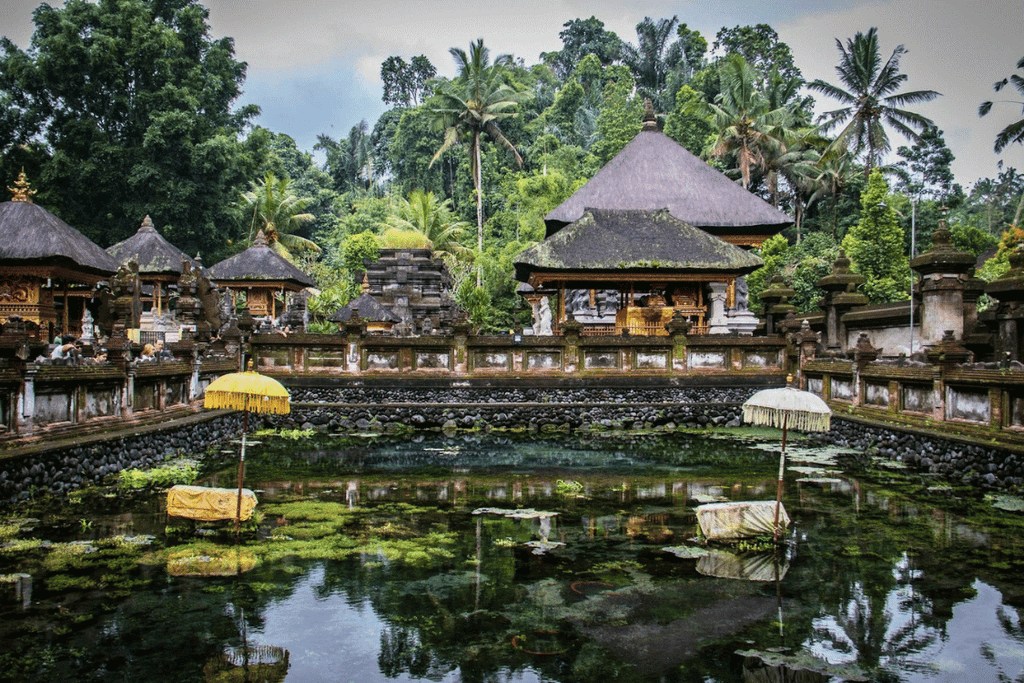
Northeast of Ubud, Tirta Empul is known for its natural spring and Hindu purification rituals. Courtyards, stone carvings, and bathing pools make up the temple grounds. Water flows into the pools through a row of stone spouts, where worshippers cleanse themselves as part of the ritual.
Arrive early and take time to learn about the temple’s customs before deciding whether to take part. You can also explore the courtyards and observe respectfully without entering the water.
🌾 Tegallalang Rice Terrace | Tegallalang, Gianyar
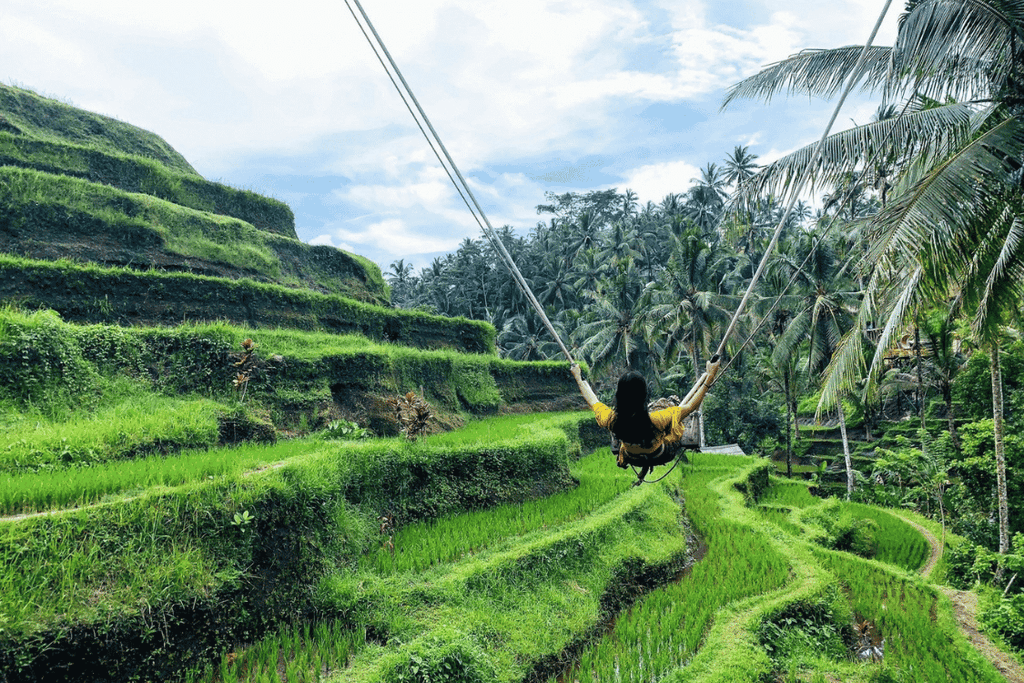
North of Ubud, Tegallalang’s terraces step down the sides of a valley, with palms rising between the fields. From above, you can follow the winding lines of the embankments; on open walking paths, you can see the rice and water channels up close. Like Jatiluwih, this landscape reflects generations of cultivation and shared water management through the subak tradition.
With less rain toward late spring, it’s easier to explore the terraces on foot. Visit in the morning, before it gets too hot, and start by taking in the views from above. You can also try a swing overlooking the terraces, take photos, and stop at a café to sample kopi luwak, or civet coffee.
The color of the rice fields varies with the planting and harvest cycle, so not all the terraces will be lush green when you visit. Steps and dirt paths can also be slippery after rain.
If your schedule is tight, choose either Tegallalang or Jatiluwih. Tegallalang is easier to fit into a stay in Ubud, while Jatiluwih is a good choice if you have half a day or more to explore its wide stretches of rice terraces.
What to Wear in Spring
Pack breathable tops, lightweight pants or a below-the-knee skirt, and comfortable shoes with traction.
Rice-field walks can involve mud, so keep rain gear in your day bag.
For temples, bring something to cover your shoulders and wear a sarong as required on-site.
💡 🐱Cathead’s Pro Tip: Check the date of Nyepi when planning a spring trip.
Nyepi, Bali’s Day of Silence, is observed across the island, and visitors are also expected to stay at their accommodation. The airport closes for the day, so travel plans need to take this into account. The date changes each year; if it falls during your trip, ask your hotel about meals and which facilities will be available.
☀️ Summer in Bali: June–August
The Vibe: Sunshine, Sea Cliffs, and Days by the Water
↑ Kelingking Beach
What Is Bali’s Weather Like in Summer?
Average temperatures are around 81°F (27°C) in June and July, dropping slightly to 79°F (26°C) in August. Average lows are around 75°F (24°C), with highs of 84–86°F (29–30°C). June through August is generally a dry period in Bali, making it a good time for beach walks, coastal viewpoints, and outdoor sightseeing.
On sunny days, you can enjoy clear ocean views, then head to the coast for sunset. The midday sun can still be intense, so I recommend saving longer walks for the morning or late afternoon. Around lunchtime, find somewhere shady to eat or head back to your hotel for a break.
July and August are also peak travel months, so popular hotels and activities are best booked ahead.
Places to Visit in Bali in Summer
🌅 Uluwatu Temple | Pecatu, Badung
Uluwatu Temple sits on high cliffs along Bali’s southwestern coast. From the cliffside paths, you can look out over the Indian Ocean, watch waves break against the rocks below, and see the temple from different angles. As sunset approaches, the softer light and the temple silhouetted against the sky make this a beautiful place to spend the evening.
You can also watch a Kecak performance, in which a chorus of rhythmic chants accompanies dancers acting out a story. It’s a chance to experience Balinese performing arts in a dramatic coastal setting. If you want to enjoy both the sunset and the show, check the performance time when booking.
I recommend arriving early enough to explore the paths and take photos before the performance. Monkeys roam the temple grounds and may grab glasses, hats, or phones, so keep loose items tucked away and hold your phone securely. Avoid taking out food or feeding them.
💦 Waterbom Bali | Kuta, Badung
If you’re traveling with children—or simply enjoy water slides—Waterbom in Kuta is a fun place to spend the day. Open since 1993, the park combines slides and water attractions with tropical gardens and shaded areas where you can relax between rides.
Set aside most of a day so you have time for the slides, lunch, and a few breaks. I recommend making Waterbom your main activity for the day.
🦖 Kelingking Beach | Nusa Penida, Klungkung
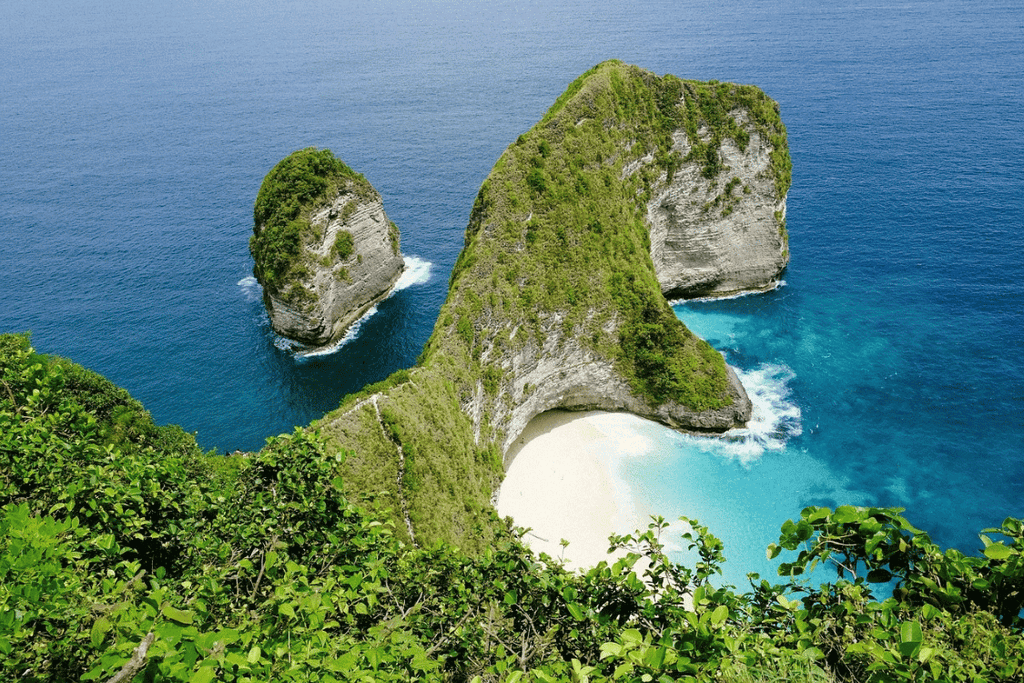
A headland covered in greenery juts into the ocean, with steep cliffs rising above pale sand and blue water. From above, its shape resembles a dinosaur’s head and back. Located on Nusa Penida’s southwestern coast, Kelingking Beach is known for this striking view from the cliffs overlooking the bay.
To get here, you’ll need to take a boat from Bali and continue by road on Nusa Penida, so allow time for a separate island trip. Summer’s drier weather generally makes exploring easier, though boat schedules still depend on wind and sea conditions.
For a first visit, I recommend enjoying the view from the top—you don’t need to hike down to the beach to appreciate the scenery. The descent is much more demanding than a visit to the viewpoint, so whether to attempt it depends on access, conditions, and your fitness level.
For a day trip, choose a few sights on the same side of the island. Staying two nights gives you a full day to explore without rushing.
What to Wear in Summer
Pack lightweight clothing, swimwear, a rash guard, a sun hat, and sunglasses.
For water activities, bring a change of clothes and footwear that dries quickly, along with suitable clothing for temple visits. Even when the sea breeze feels refreshing, remember to stay hydrated and protect yourself from the sun.
🍃 Fall in Bali: September–November
The Vibe: Coastal Mornings and the Return of the Rain
↑ Tanah Lot Temple
↑ Ulun Danu Beratan Temple
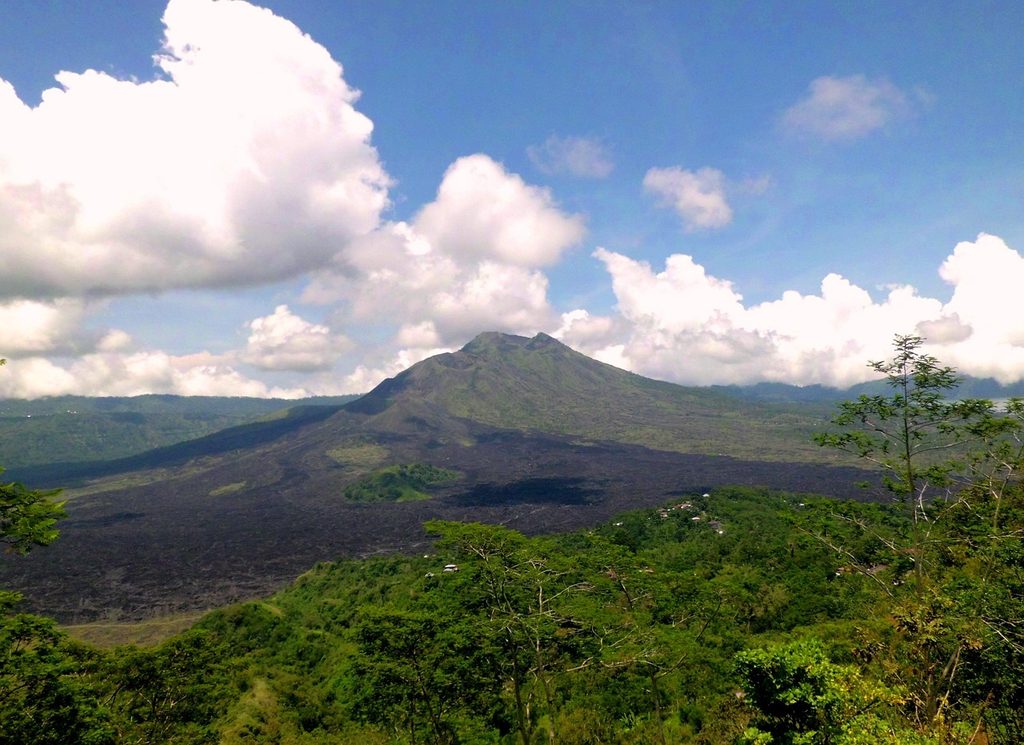
↑ Mount Batur
What Is Bali’s Weather Like in Fall?
Average temperatures rise from about 80°F (26.8°C) in September to 82°F (27.6°C) in October and 83°F (28.2°C) in November. September is generally still fairly dry, while rain becomes more frequent as the season progresses.
September is a good time for beach days and outdoor sightseeing. October can still be a good choice, though the weather becomes less predictable. By November, a mix of sightseeing, cooking classes, and time at your hotel gives you more flexibility when it rains.
Places to Visit in Bali in Fall
🏖️ Sanur Beach | Sanur, Denpasar
For a relaxed morning by the sea, consider Sanur. This stretch of Bali’s southeastern coast is known for its sunrise views, with a waterfront path connecting beaches, restaurants, and hotels. Watch the sun come up, and take a leisurely walk along the shore.
If you’re staying nearby, I recommend getting up early at least once to enjoy the coast. September generally offers good conditions for a morning walk. If you want to swim or try a water activity, check the tides and local sea conditions.
🌊 Tanah Lot Temple | Beraban, Tabanan
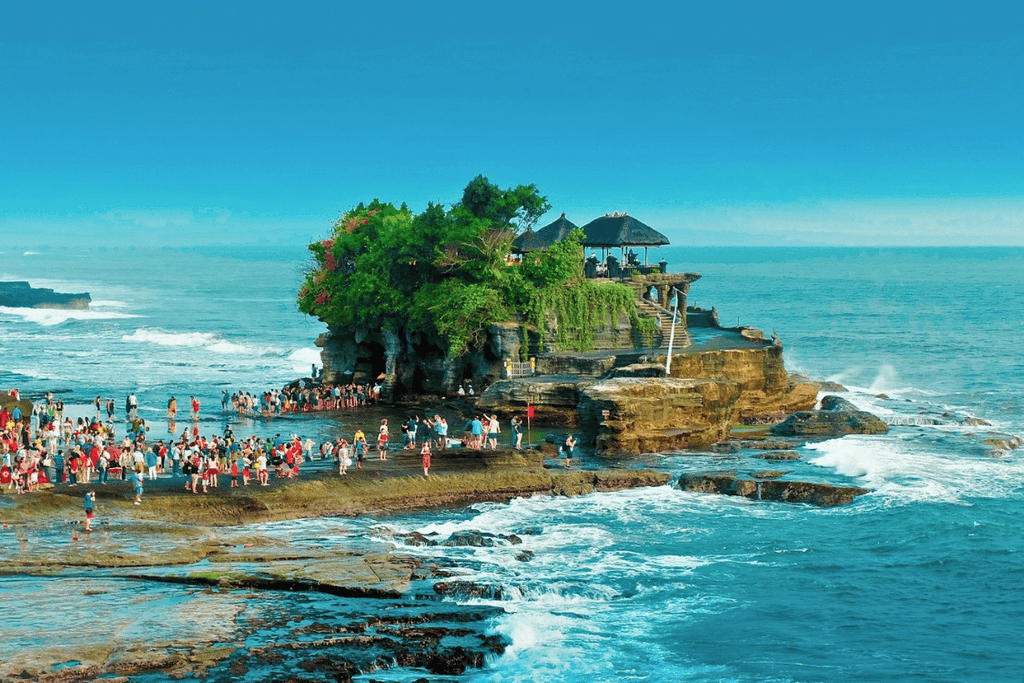
At high tide, water surrounds the rock beneath Tanah Lot, making the temple appear to stand alone in the sea. As the tide recedes, more of the rocky shore is revealed. This Hindu sea temple on Bali’s western coast is known for the striking combination of temple architecture, waves, and coastal scenery.
On a clear evening in early fall, you can watch the sky change color and see the temple silhouetted against it. I recommend arriving early to explore the shoreline and enjoy the views from different angles. Even on a cloudy day later in the season, there’s plenty to see as waves roll in around the rock.
🌋 Mount Batur & Lake Batur | Kintamani, Bangli

To see a different side of Bali, head inland to Kintamani. From viewpoints around Mount Batur and Lake Batur, you can look out over the volcano, the water, and the surrounding slopes. The open mountain scenery feels far removed from the busy southern coast.
You don’t have to hike to enjoy the views. I recommend combining a scenic stop with a meal overlooking the volcano or lake, giving yourself time to watch the clouds and changing light. If you’re interested in a sunrise hike, check the current access rules, guide arrangements, and fitness requirements when planning your visit.
September is my first choice for this area during fall, as the weather is generally still relatively dry. You can also visit in October or November, though clouds and rain may hide the views. Check the mountain forecast before heading out, since conditions can differ from those on the coast.
🛕 Ulun Danu Beratan Temple | Bedugul, Tabanan
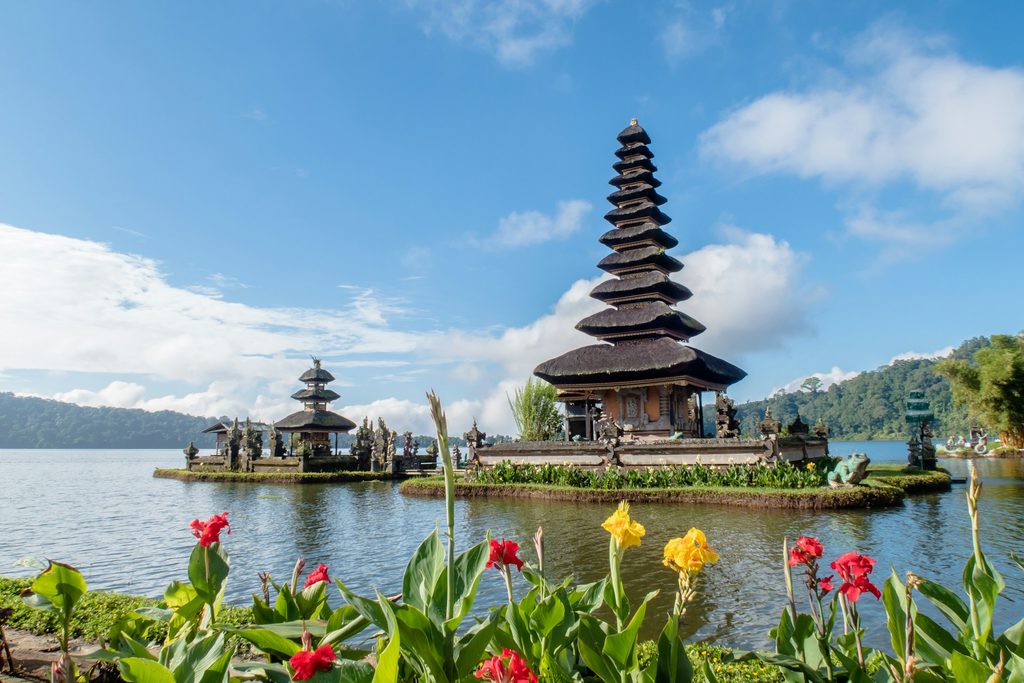
The tiered roofs of Ulun Danu Beratan stand beside Lake Beratan, with mountains rising behind them. On a calm day, the temple and surrounding scenery are reflected in the water. Compared with Tanah Lot’s waves and rocky coastline, this lakeside setting has a quieter feel.
The temple reflects the close ties between water, farming, and religious life in Bali. Take time to explore the gardens and lakeside grounds as well as the main viewpoint. The view changes with the water level, wind, and where you stand, so the temple won’t always appear to float on the lake.
I recommend including it in a day exploring the Bedugul highlands and saving Kintamani for another day. Clear weather offers the best mountain views, while light mist softens the scenery around the lake. Thicker clouds and rain may obscure the backdrop. Bring a light jacket, as the highlands can feel noticeably cooler than the coast.
What to Wear in Fall
Breathable summer clothing works well in September. For October and November, pack a lightweight rain jacket, shoes with good grip, and a waterproof pouch for your essentials.
A light long-sleeve top is also useful when traveling between the coast and the highlands.
🌧️ Winter in Bali: December–February
The Vibe: Art, Cooking Classes, and a Slower Pace
What Is Bali’s Weather Like in Winter?
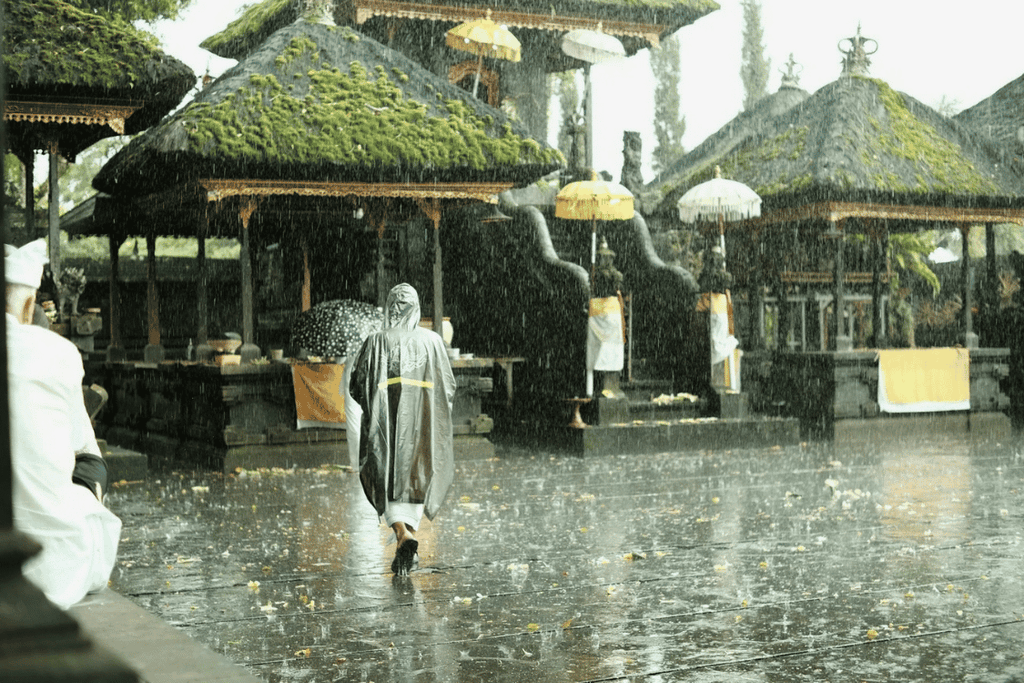
Average temperatures from December through February are around 82°F (28°C), with average lows of 77°F (25°C) and highs of 88°F (31°C).These months fall within the rainy season, bringing warm, humid weather and more frequent rain.
Sometimes a heavy shower passes quickly and the sun comes out again; other days may stay cloudy or wet for longer. Keep outdoor plans flexible and mix beach walks and sightseeing with art museums, cooking classes, or a spa treatment.
For a winter trip, I recommend leaving more time to enjoy your hotel and explore the local food. Head out for a walk when the weather is good, then settle in for a leisurely meal or return to your hotel if it rains.
Places to Visit and Experiences to Try in Bali in Winter
🎨 Agung Rai Museum of Art (ARMA) | Ubud, Gianyar
Visiting Bali’s temples and villages can help you better understand the ceremonies and scenes of everyday life depicted in ARMA’s paintings. Located in Pengosekan, on the southern side of Ubud, the museum was founded by collector Agung Rai to preserve and promote Balinese art and culture.
The collection ranges from traditional to contemporary works, including Kamasan and Batuan painting styles. Works by artists from abroad also show how Bali has influenced their art. Take time to see how different artists have portrayed the island, its people, and their surroundings.
Spend about two hours here, choosing a few paintings to look at closely before exploring the gardens. ARMA fits well into a rainy-season itinerary, though some paths between the galleries are outdoors, so an umbrella is useful.
🍳 Balinese Cooking Classes | Ubud, Nusa Dua & Surrounding Areas
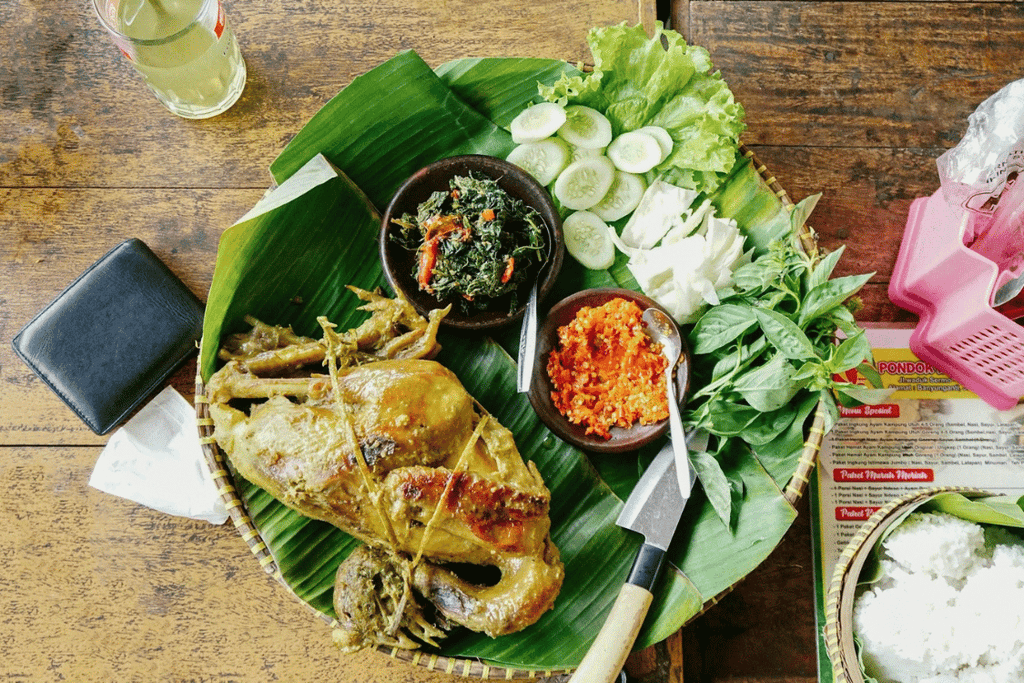
A half-day cooking class is a fun way to learn more about Bali’s food culture. Ubud and the southern resort areas offer a range of options, from village kitchens and farms to hotel classes. Learn about local spices and ingredients, help prepare and cook the dishes, then sit down to enjoy the meal you’ve made.
Some classes begin with a visit to a traditional market, where you can see the ingredients residents buy for everyday cooking. Others include picking vegetables on a farm or offer vegetarian menus.
During the rainy season, a class with a covered cooking area is a good choice. If it includes a market or farm visit, bring rain gear.
What to Wear in Winter
Pack quick-drying tops, lightweight pants, and shoes with good grip. Keep rain gear and a spare top in your bag, along with a light jacket for air-conditioned spaces. For cooking classes, wear comfortable clothes that are easy to move around in.
📌 Bali’s Peak Season: Crowds & Busy Travel Periods
Crowds in Bali tend to peak in July and August, as well as around Christmas and New Year’s. School breaks and other holidays can also bring more visitors outside these periods.
July–August: Dry Weather and Summer Vacation
Relatively dry weather overlaps with summer vacations in Europe and North America, plus school breaks in parts of Australia and New Zealand. Hotel rates tend to be higher, and popular resorts, family rooms, and activities can book up quickly.
Late December–Early January: Christmas and New Year’s
Christmas and New Year’s are busy despite the rainy weather, so popular coastal resorts can still be expensive.
This is a good time to combine resort stays and dining with flexible sightseeing plans.
Australian School Holidays: Other Busy Weeks to Watch
Australian school holidays vary by state and year, but generally fall around April, late June–July, September–October, and December–January. These breaks can increase demand for family-friendly resorts and family rooms, even outside Bali’s main peak season.
Indonesia’s Eid al-Fitr Holiday: Road and Ferry Traffic
Eid al-Fitr, known locally as Idul Fitri or Lebaran, falls on different dates each year. Travel to visit family and take domestic vacations can lead to long queues on the Java–Bali ferry route and roads around Gilimanuk.
If you plan to take the ferry between Java and Bali, check transport arrangements and leave extra travel time.
📌 What Is the Cheapest Time to Go to Bali?
For lower hotel rates, start by comparing November and the weeks after New Year’s through March, avoiding major holidays. Airfare varies by departure city and travel date, so compare flights and hotels together to find the cheapest time for your trip.
November: Hotel Deals and a Relaxed Stay
November is worth considering if your plans revolve around a comfortable hotel, spa treatments, cooking classes, and good food. Rain becomes more frequent, so it’s better suited to a flexible itinerary than a trip filled with boat excursions and beach days.
I recommend choosing a hotel with good dining options and comfortable spaces to relax when it rains.
January–March: Look Beyond the Holiday Weeks
After the New Year’s rush, compare flights and hotels across different weeks. Lunar New Year can affect prices in January or February. If you’re traveling in March, check the date of Nyepi and any other holidays that may overlap your trip.
These months are generally wet, so weigh the savings against what you want to do. If island trips, snorkeling, and outdoor sightseeing are your priorities, better weather may be worth paying a little more for.
💡May, June, and September: A Balance of Weather and Value
These months may not be the cheapest, but they generally offer better conditions for outdoor activities while avoiding the main July–August peak.
🇮🇩 Bali Travel Tips for First-Time Visitors
🔎 How Many Days Do You Need in Bali?
For a first visit, I recommend 7 days and 6 nights, giving you roughly 5 full days to explore Ubud, spend time on the coast and your hotel. If your schedule allows, 8–10 days gives you a more relaxed pace.
4–5 Days: Choose One Base
For a beach-focused trip, stay on the southern coast and combine coastal sightseeing with water activities and time to relax. If you prefer culture and countryside, base yourself in Ubud for temples, rice terraces, and a cooking class.
6–7 Days: Combine Ubud and the Coast
For a trip of 7 days and 6 nights, split your stay between 3 nights in Ubud and 3 on the southern coast:
| Day | Suggested itinerary | Overnight stay |
| Day 1 | Arrive, transfer to Ubud, and settle in | Ubud |
| Day 2 | Visit Tirta Empul and explore Tampaksiring | Ubud |
| Day 3 | Explore rice terraces or take a cooking class | Ubud |
| Day 4 | Transfer to your coastal hotel; swim or walk nearby | Southern coast |
| Day 5 | Visit Uluwatu’s cliffs and watch a Kecak performance | Southern coast |
| Day 6 | Relax at your hotel or enjoy a nearby water activity | Southern coast |
| Day 7 | Have breakfast, pack, and head to the airport | — |
If you plan to visit Uluwatu, consider staying in Jimbaran or Nusa Dua. If you prefer sunrise walks, choose Sanur and adjust Day 5 to explore nearby. For a late-night arrival, you can start on the coast and visit Ubud afterward.
8–10 Days: Add an Island Stay or Slow Down
For 9 days and 8 nights, consider 3 nights in Ubud, 2 on a nearby island, and 3 back on Bali’s coast. Alternatively, spend 4 nights each in Ubud and on the coast for fewer hotel changes.
If you include an island stay, leave at least 1 night back on Bali before your international flight in case boat schedules change.
💰 Is $1000 enough for 1 week in Bali?
Yes, a budget of $1,000 per person, excluding flights, can cover 1 week in Bali with a midrange hotel, casual dining, and a selection of activities. This assumes 2 adults sharing a room and splitting transport costs.
For 7 days and 6 nights, here’s a sample budget:
| Local expense | Estimated cost per person, USD |
| 6 nights of accommodation, sharing a room | 190–315 |
| Meals and drinks | 110–190 |
| Shared airport transfers, private drivers, and short rides | 80–140 |
| Attractions, activities, and massages | 80–155 |
| Estimated total, excluding flights | 460–800 |
These are planning estimates and will vary with your dates and choices. This leaves around $200–$540 for extras such as insurance, mobile data, applicable entry fees and tourist levies, shopping, and additional activities.
The hotel allowance works out to about $63–$105 per room per night, split between 2 adults. Ocean-view suites, private-pool villas, and luxury beachfront resorts will generally require a higher accommodation budget.
For a private car with a driver, budget around IDR 800,000 (about $44) for 10 hours, depending on the vehicle and itinerary. The rate is per car, so sharing the cost can help keep transport expenses down.
🇮🇩 Best Time to Visit Bali: Frequently Asked Questions
🔎 What Is the Best Month to Go to Bali?
May is my top pick for a first trip to Bali. The weather is generally drier, making it a good time to explore rice terraces, visit temples, and relax on the beach before the July–August peak. June and September are also good options.
🔎 When’s the Worst Time to Go to Bali?
December through February is generally the least reliable time for a beach vacation, with more frequent rain that can disrupt outdoor plans. Late December and early January also bring higher holiday prices, while July and August are less suitable if your main goal is to avoid crowds.
🔎 What Is the Best Time to Visit Bali for Beaches?
I recommend May through September for a beach-focused trip, when the weather is generally drier. May, June, and September offer a good balance of beach weather and fewer crowds than July and August.
🔎 What Is the Best Time to Visit Bali With Family?
I recommend June for US families traveling during summer vacation, especially if you can go before the busier late-June and July holiday periods. If you’re not tied to school breaks, May and September are also good choices for generally drier weather outside the main summer peak.
🔎 What Is the Best Time to Visit Bali for Fewer Crowds?
May, early June, and September outside school holidays are good choices for fewer crowds and generally favorable weather. November and nonholiday weeks from January through March can also be quieter if you don’t mind more rain.
🔎 What Is the Best Time to Visit Bali for a Honeymoon?
May, June, and September are my picks for a Bali honeymoon. These months generally offer good weather for combining a stay in Ubud with time at a beach resort, without the busiest July–August crowds.
Final Thoughts
The best time to visit Bali depends on how you want to spend your trip. For beach days, rice terraces, and temple visits, May, June, and September are my top choices. If you’re more interested in art, food, and relaxing at a resort, the rainy season is also worth considering, especially if you find a good hotel deal.
For a first visit, I recommend splitting your stay between Ubud and one coastal area. That gives you time to explore the island’s culture and countryside, then slow down by the sea. Leave a few afternoons open for a swim, a leisurely meal, or a walk along the beach—you don’t need a full itinerary every day to enjoy Bali.
*All information provided above is for reference only. For full details, please refer to the official websites of the respective hotels and organizations.
🌍 Explore More:
👉 Best Time to Visit Singapore: Weather & Months to Avoid
👉 Where to Stay in Singapore (2026): Top Areas & Best Hotels
👉 Best Time to Visit Hong Kong 2026: Weather, Festivals & Things to Do
👉 Hopewell Hotel Hong Kong Review: Is This New Wan Chai Hotel Worth It?
👉 Where to Stay in Hong Kong (2026): Best Areas & Hotels for First-Time Visitors
👉 Best Time to Visit Bangkok: Best Months & Months to Avoid
👉 Best Time to Visit Nagoya 2026: Weather, What to Wear & Things to Do
👉 Hilton Nagoya Hotel Review: Spacious Rooms, Western Comfort & Breakfast Buffet
✈️ Airport Lounge Reviews:
👉 Cathay Pacific The Bridge Lounge Review (Hong Kong Airport): Food, Bar & Access
👉 Cathay Pacific The Deck Lounge Review at Hong Kong Airport: Is It Worth It?
👉 Qantas Lounge Hong Kong Review: Food, Seating & Overall Experience

Hi, I’m Cat Head! Having lived in the US, Canada, and Hong Kong, I bring a unique global perspective to the world of travel. I’m a Japan travel specialist dedicated to finding the best travel deals and crafting seamless DIY itineraries.
Whether you’re looking for luxury hotel reviews on a budget or travel hacks, I share my first-hand experiences and travel tips to make your next trip unforgettable.