What to Eat in Northern Kyushu (2026): Saga Beef, Yanagawa Eel & Hidden Local Gems
Northern Kyushu is famous for hot springs, coastal scenery, and historic streets, but honestly, the thing I kept thinking about most after this trip was the local food.
This time, I traveled from Saga to Takeo and then to Yanagawa, and I realized Kyushu is the kind of place that’s perfect for slow travel and savoring every meal. From beautifully marbled Saga beef yakiniku, to Yanagawa’s 300-year-old steamed eel rice tradition, to a hidden local teppanyaki restaurant in Takeo, every meal during this trip felt memorable in a completely different way.
If you’re planning a trip to Northern Kyushu in 2026, you’ll definitely want to save this post.😸
Table of Contents
Best Food in Saga Japan
🥩 1. Yakiniku Kakura(Saga Station North Exit Branch)
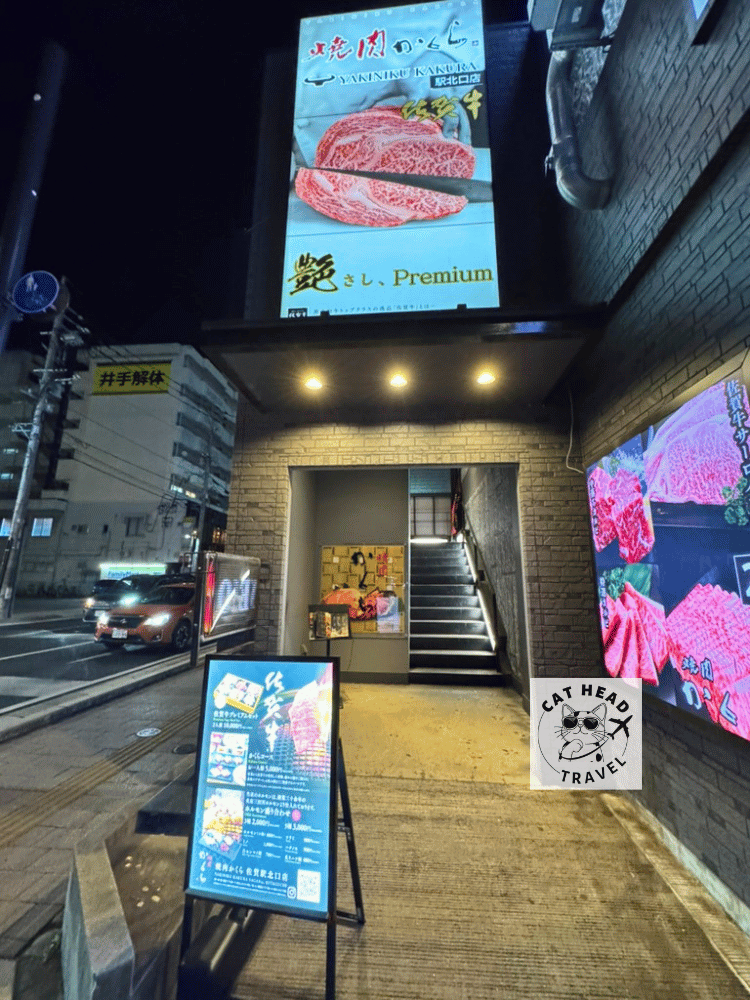
You can’t visit Saga without treating yourself to Saga beef!
This time, I picked Yakiniku Kakura – Saga Station North Exit (焼肉かくら 佐賀駅北口店), a super popular BBQ spot right near Saga Station. The best part about this place is that you can try a variety of different cuts of Saga beef all in one sitting—and the meat seriously just melts in your mouth.
The Saga beef chuck, thick-cut beef tongue, and rare cut assortment platter are all worth ordering. Saga beef is especially known for its delicate marbling, and once grilled over charcoal, the aroma becomes rich and buttery without feeling overly greasy.
We ordered the Premium Course (JPY 8,800 per person), scallops (JPY 880) and alcoholic drinks.
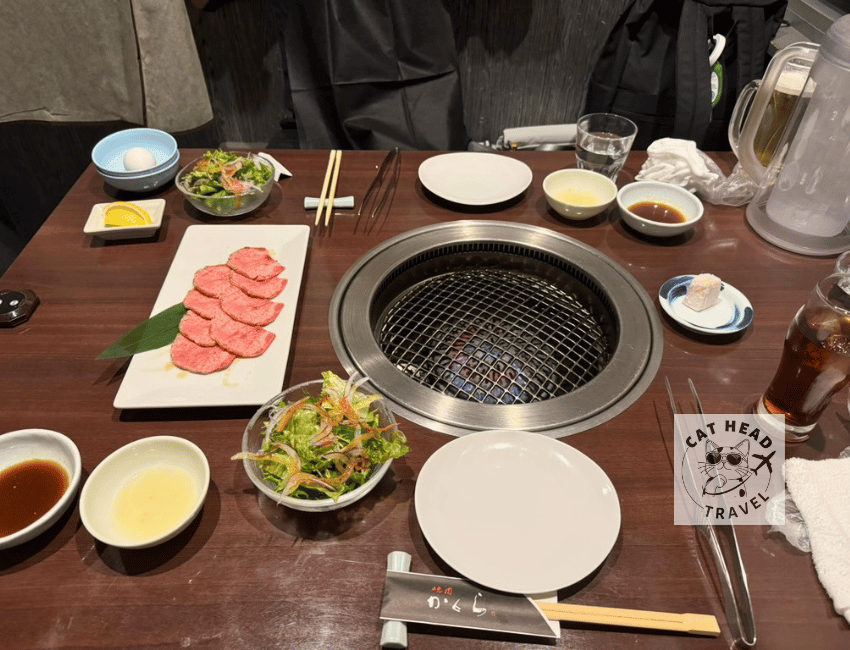
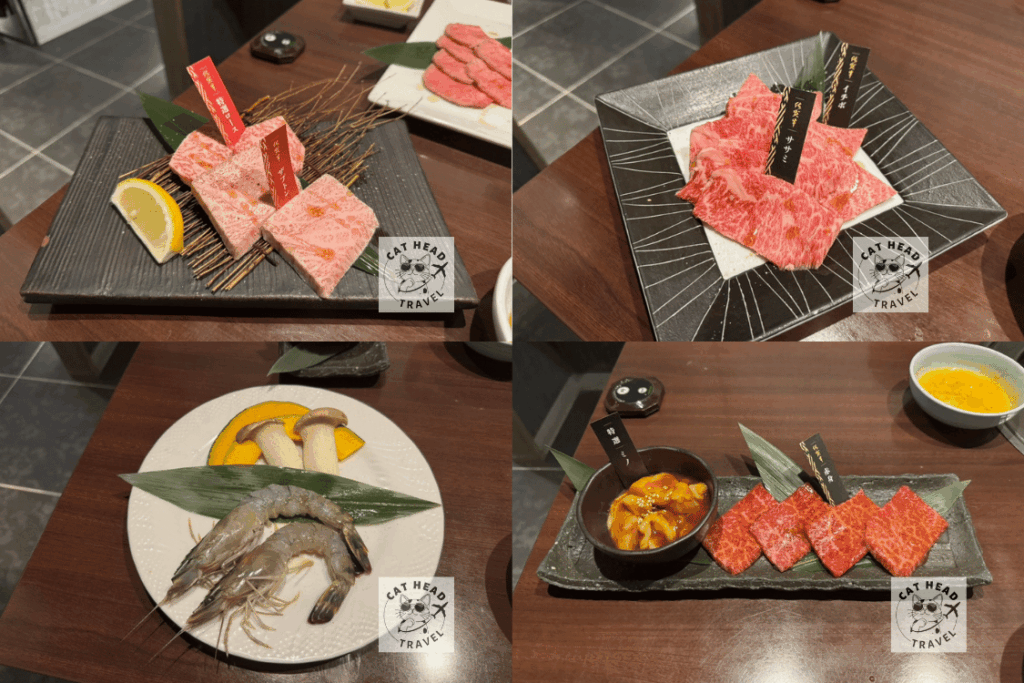
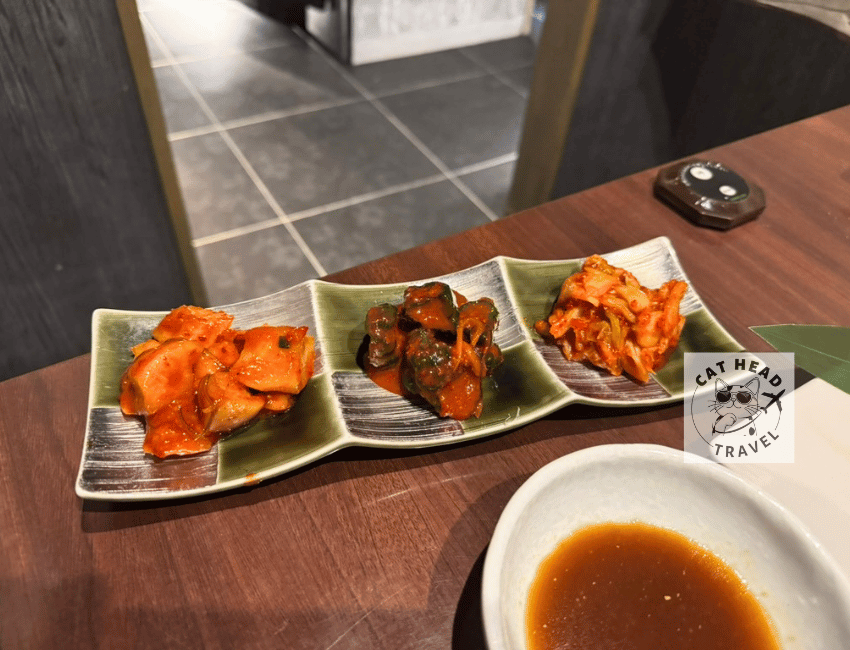
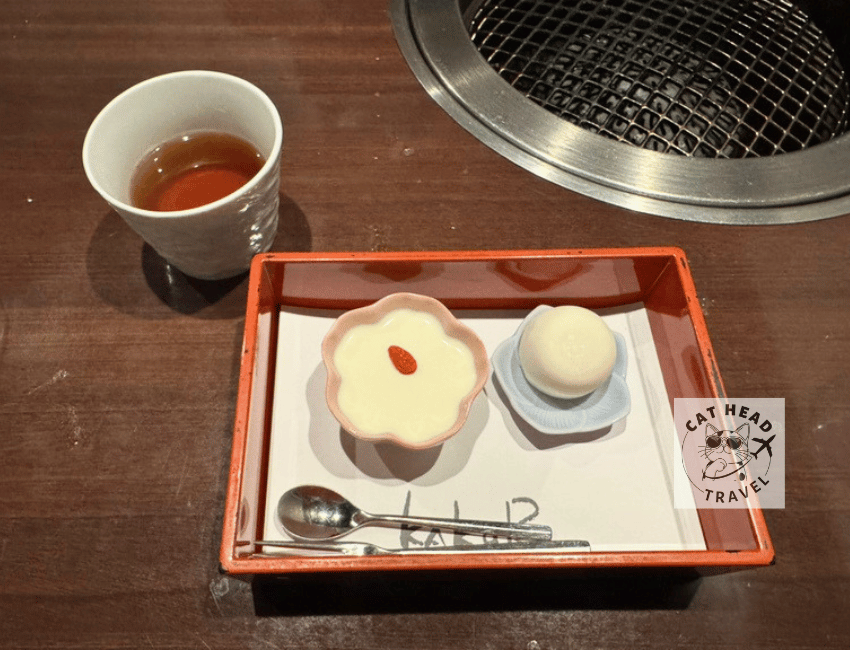
The course included salad, assorted kimchi, premium beef tongue, special beef cuts, premium shoulder cuts, marbled Saga beef round, premium ribs, lean Saga beef cuts, horumon, grilled vegetables, seafood, plus your choice of rice (free refills), stone bowl bibimbap, or Japanese-style cold noodles, followed by dessert and drinks.
My favorite was the ‘Saga Beef Rare Cuts Platter’ from the set menu. The difference in marbling and texture between each cut is super distinct, making it perfect for anyone trying Saga beef for the first time. It honestly tastes completely different from standard domestic beef—the meat is richer, the fat is incredibly fragrant, and it’s just overall way more delicious!
If it’s your first time here, I’d highly recommend going with a set menu. It’s a much better value than ordering à la carte, and you get a taste of all the crowd favorites.
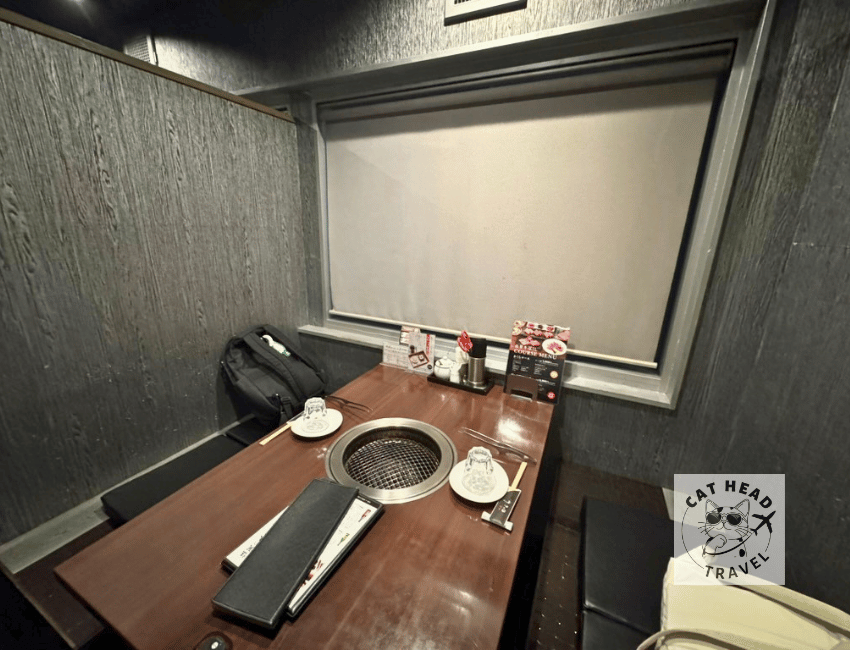
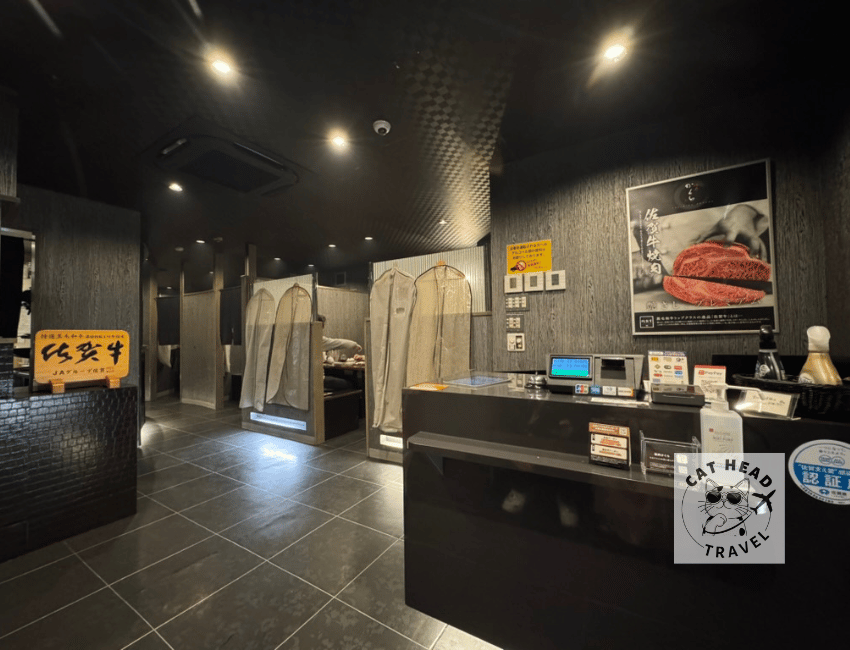
I booked a table in advance and arrived around 7:00 PM. The entire restaurant features private booth seating, which makes the layout incredibly comfortable. They even provide garment covers and hangers for your coats and jackets so they don’t soak up that heavy BBQ smoke smell—such a thoughtful touch!
The atmosphere was lively but not overly noisy, giving it that classic, authentic local Izakaya vibe you only find in Japan’s regional cities. It was packed with locals catching up, especially corporate crowds unwinding after work.
😼 Cathead’s Pro Tip
This restaurant is only open for dinner, so it gets incredibly busy in the evenings. I highly recommend making a reservation in advance.
Address: 1 Chome-13-23 Ekimae Chuo, Saga, 840-0801, Japan
Ratings: Google 4.2/5 | Tabelog 3.08/5
Average Budget: Around JPY 6,000–8,000 / person
Hours: 5:00 PM–1:00 AM (close later on Fridays and Saturdays)
Getting there: A 2-minute walk from JR Saga Station
Best Food in Takeo Japan
🥘 2. Teppanyaki Kobo Buranko
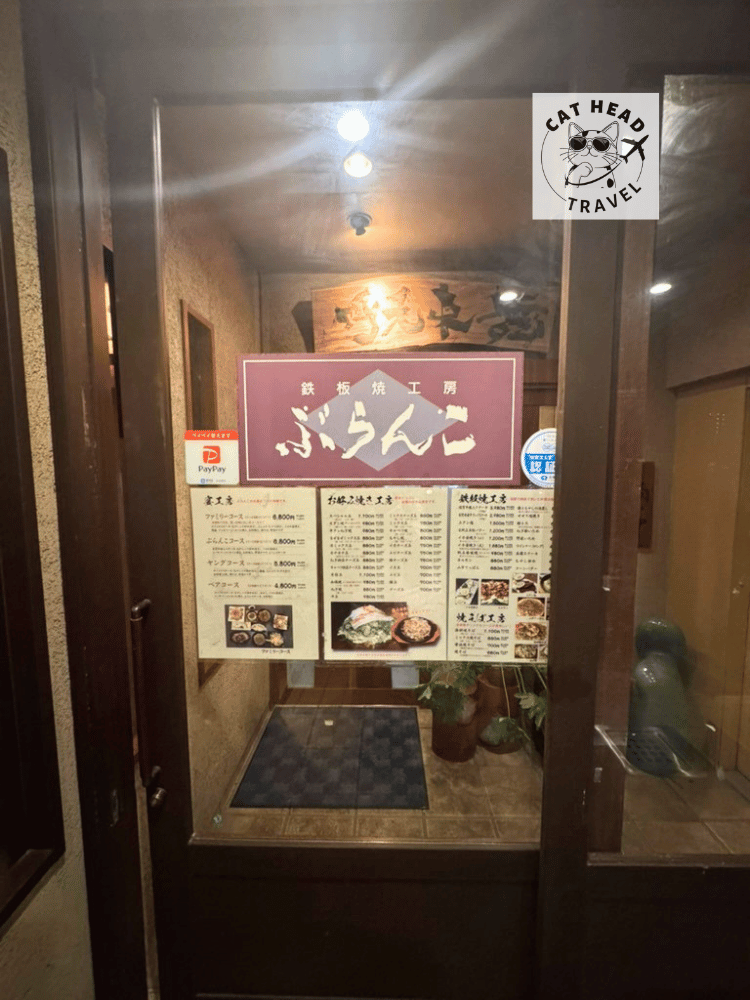
When visiting a hot spring town like Takeo, most people only think of having a traditional kaiseki dinner at their ryokan (hot spring inn). But the town actually hides quite a few gems brimming with local Kyushu flavor. Teppanyaki Kobo Buranko (鐵板燒工房 ぶらんこ), which I tried on this trip, is exactly the kind of place that quietly leaves a lasting impression.
Located not far from Takeo-Onsen Station, it looks pretty unassuming from the outside. Step inside, though, and you’re greeted by a lively, relaxed atmosphere packed mostly with locals.
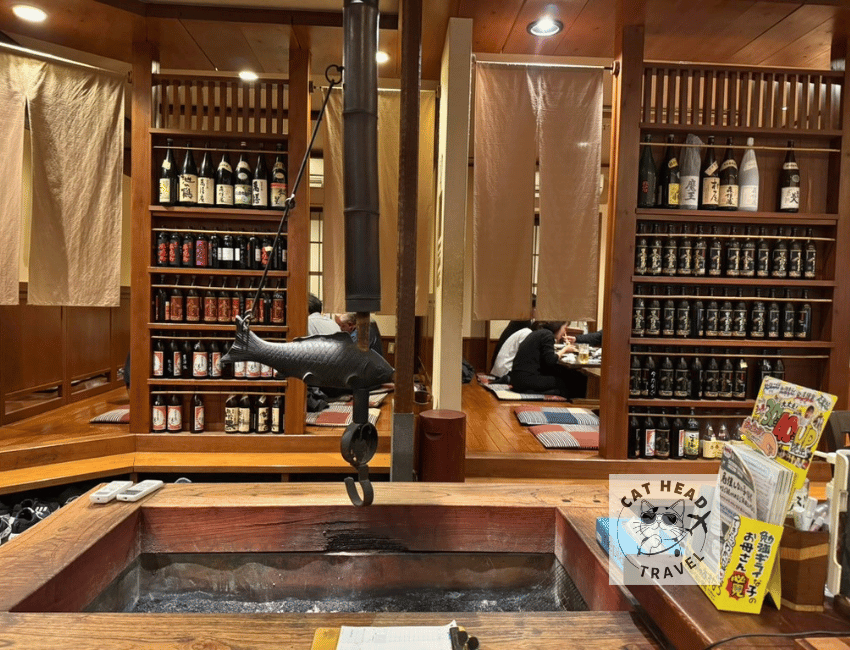
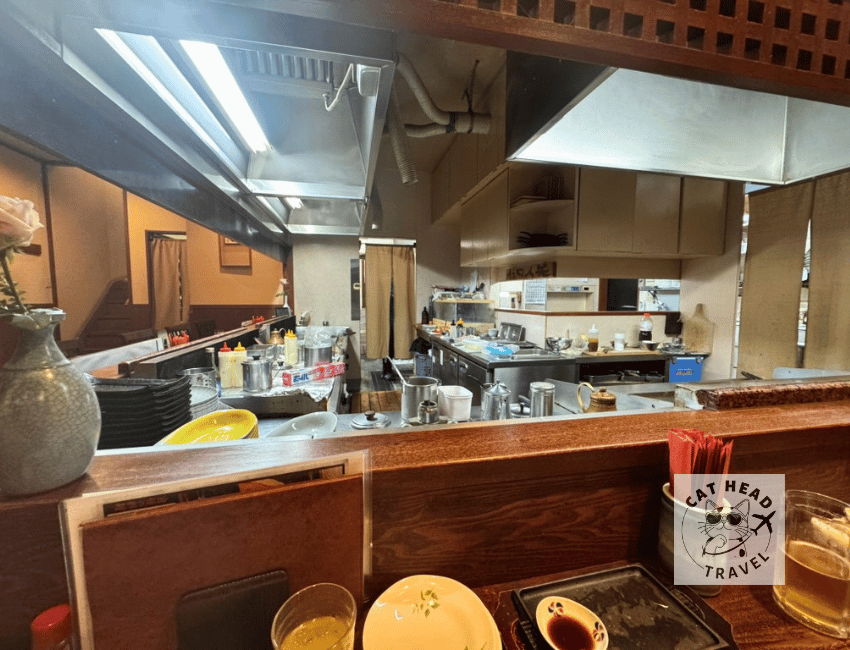
Buranko is a teppanyaki joint with a distinct, cozy izakaya feel. You can watch the chef cook right on the flat-top grill in front of you. As the aromas of sizzling steaks, okonomiyaki, yakisoba, and savory pub snacks drift through the air, you get a real taste of what nightlife feels like in Japan’s regional towns.
Their signature dishes are the teppanyaki Saga beef steak and okonomiyaki (Japanese savory pancakes). The steak is perfectly cooked, locking in a rich, smoky char from the grill. The okonomiyaki is served Kansai-style, featuring a perfect balance of sauce and mayo so it never feels overly heavy. Another crowd favorite is the stir-fried yakisoba noodles—packed with savory, umami-rich sauce, it pairs perfectly with a cold beer.
The biggest draw of this place is its authentic, local charm. It’s not a tourist trap by any means, but after finishing your meal, you’ll definitely think: ‘This is exactly the kind of hidden culinary gem you hope to stumble upon when traveling.’
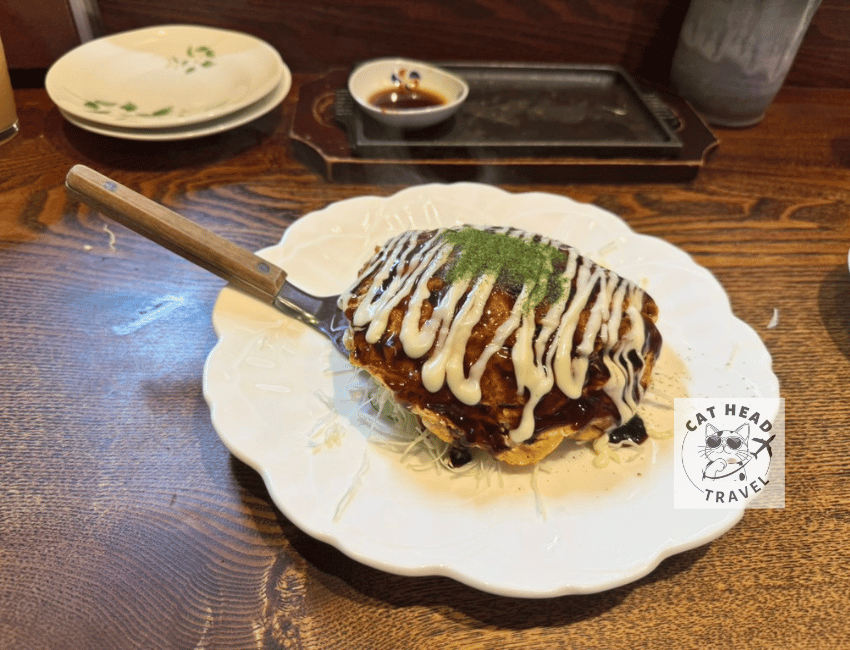
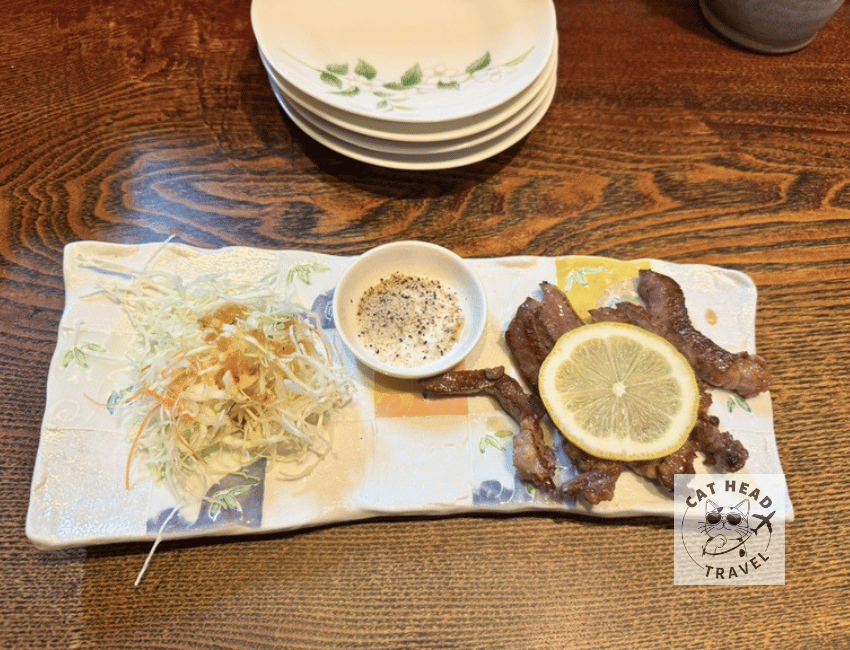
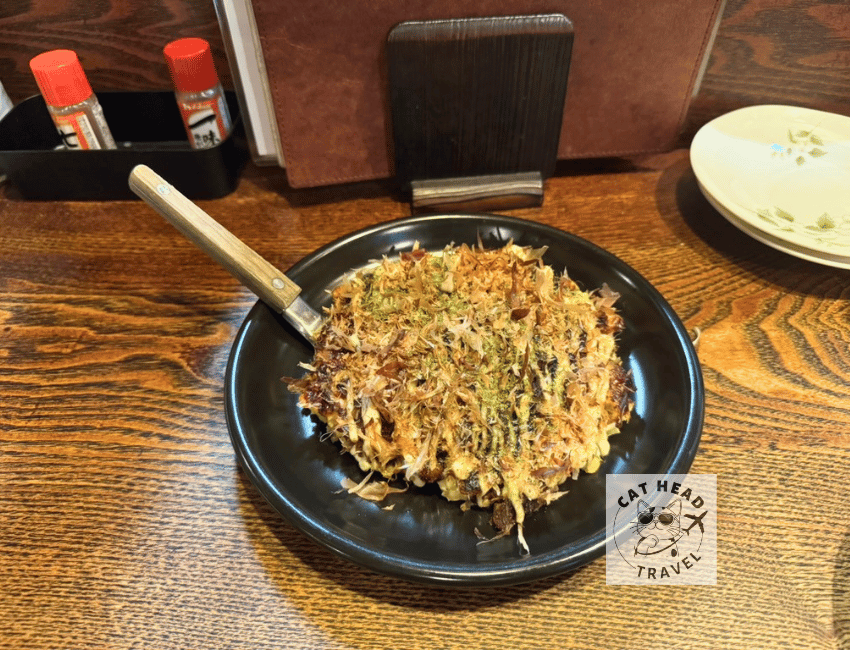
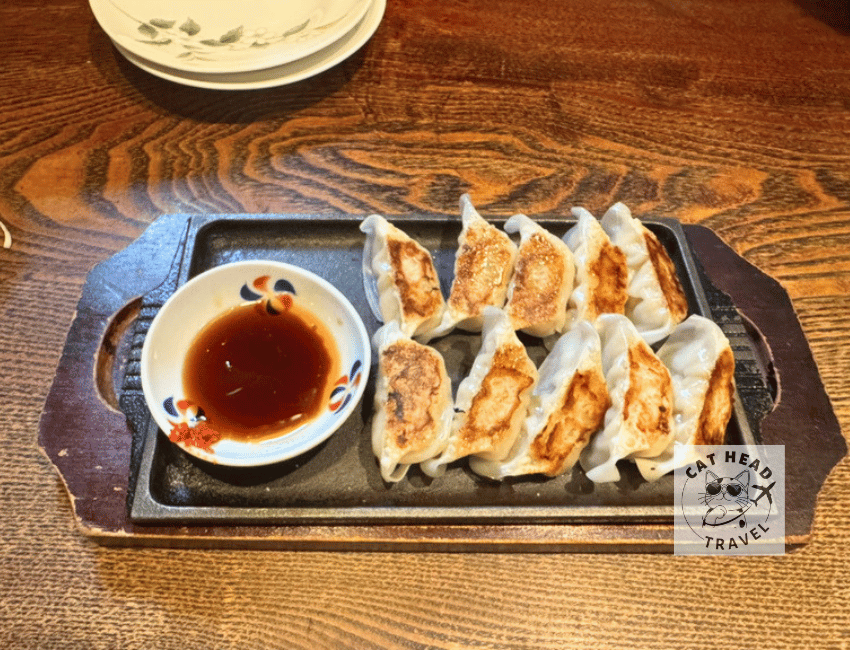
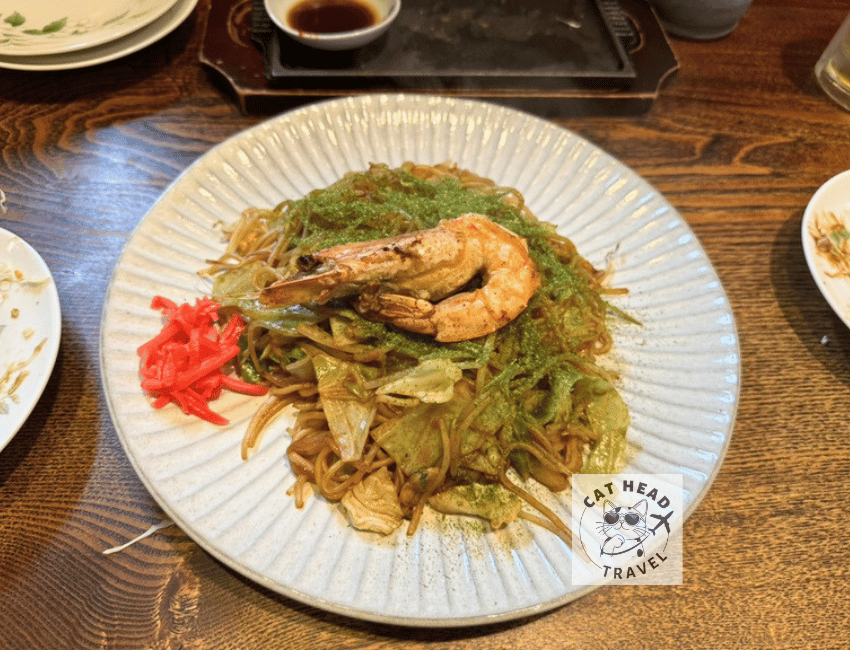
We ordered a spread to share: the salted beef tongue (JPY 1,500), kurobuta pork gyoza (JPY 480), seafood yakisoba (JPY 1,100), okonomiyaki (around JPY 850), shrimp salad-style omelet (JPY 780), along with two drinks.
My absolute top recommendations are the okonomiyaki and the seafood yakisoba. The okonomiyaki has a wonderfully crispy exterior packed with a generous amount of fillings, and the flavor is spot on. The yakisoba was absolutely stunning—the sauce is incredibly rich and savory without being greasy at all. The beef tongue was also excellent and grilled to perfection.
Compared to downtown Fukuoka, the prices here are way more pocket-friendly, making this place an absolute steal!
😼 Cathead’s Pro Tip
Only Japanese menu is available.
Address: 7759-1 Takeo-machi, Saga, Japan, 843-0024
Ratings: Google 4.2/5 | Tabelog 3.05/5
Average Budget: Around JPY 2,500–4,000 / person
Hours: 5:30 PM–11:30 PM (closed on Sundays or Mondays)
Getting there: A 5-minute walk from JR Takeo-Onsen Station
Best Yanagawa Food
🐟 3. Ganso Motoyoshiya (Main Store)
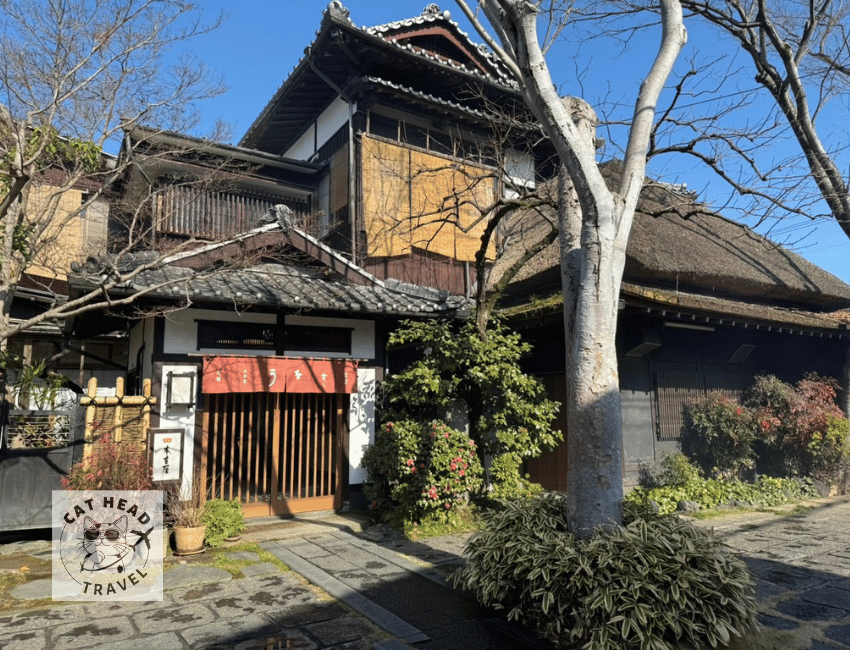
“If there’s one absolute must-eat dish when visiting Yanagawa, it has to be unagi seiro mushi—Yanagawa-style steamed eel rice.
And when it comes to this local specialty, Ganso Motoyoshiya (元祖本吉屋 柳川本店), a historic establishment open for centuries, is practically synonymous with Yanagawa eel.
With a history spanning over 300 years, this legendary shop is most famous for its ‘steamed basket eel rice.’
What sets the Yanagawa style apart from regular Japanese eel bowls is the process: they mix the sauce into the rice first, then steam the rice and eel together. This means the rice absorbs all that incredible smoky, savory flavor and rich eel fat.
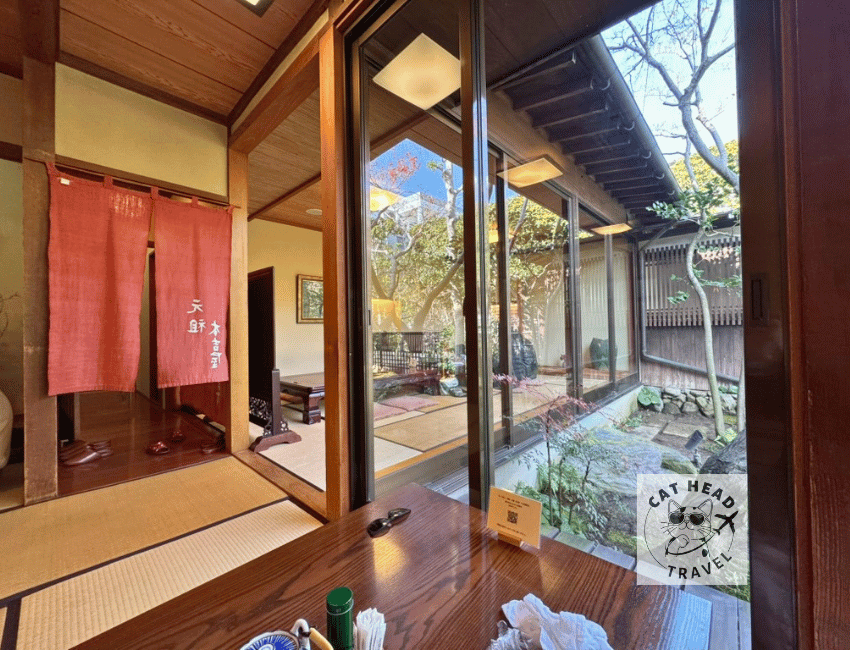
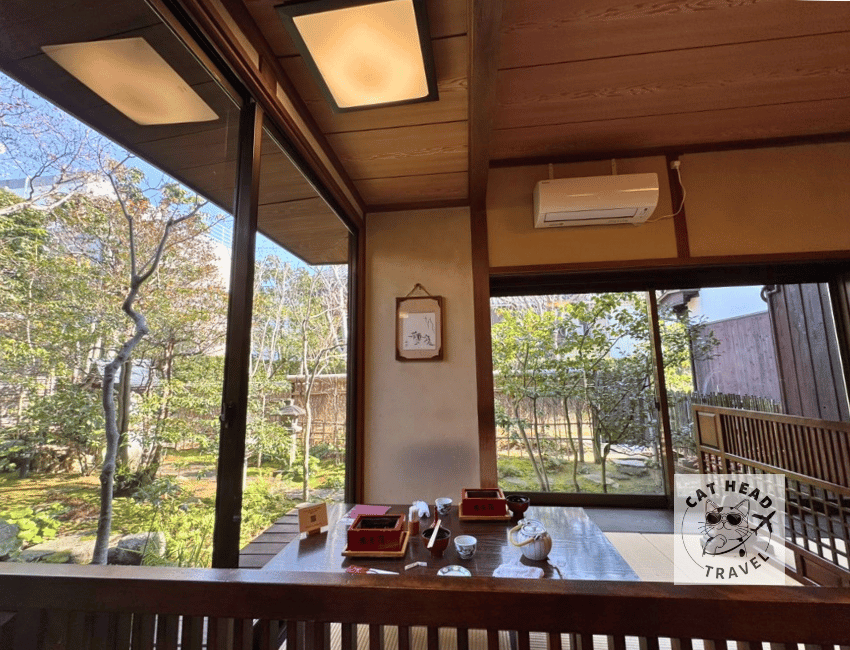
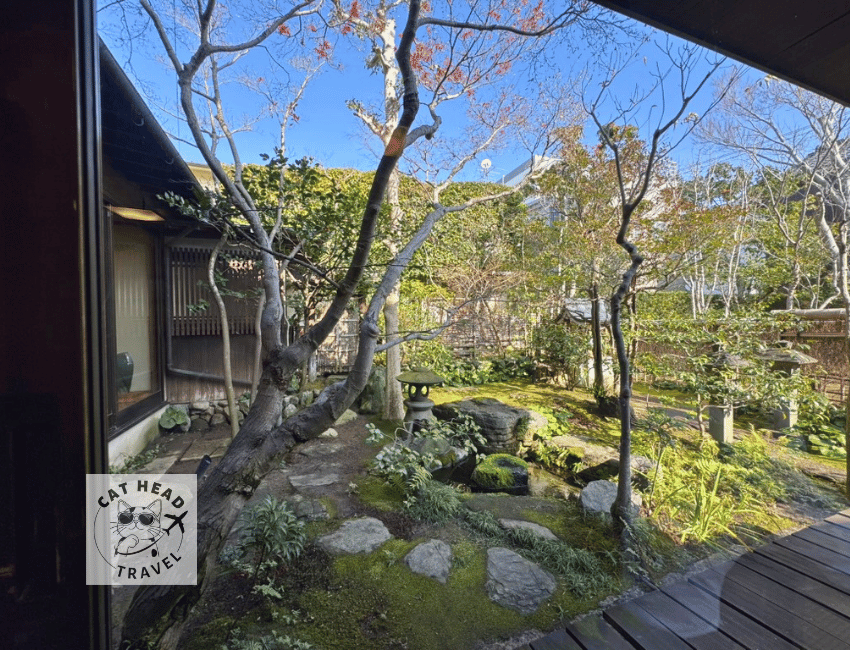
I was honestly amazed during my first visit. That piping hot, slightly fluffy, moist rice is the ultimate match for charcoal-grilled eel. You get that rich charcoal aroma from the skin, but the meat is completely melt-in-your-mouth soft. Combined with the historic estate architecture and garden views, the dining environment feels elegantly vintage and uniquely Kyushu.
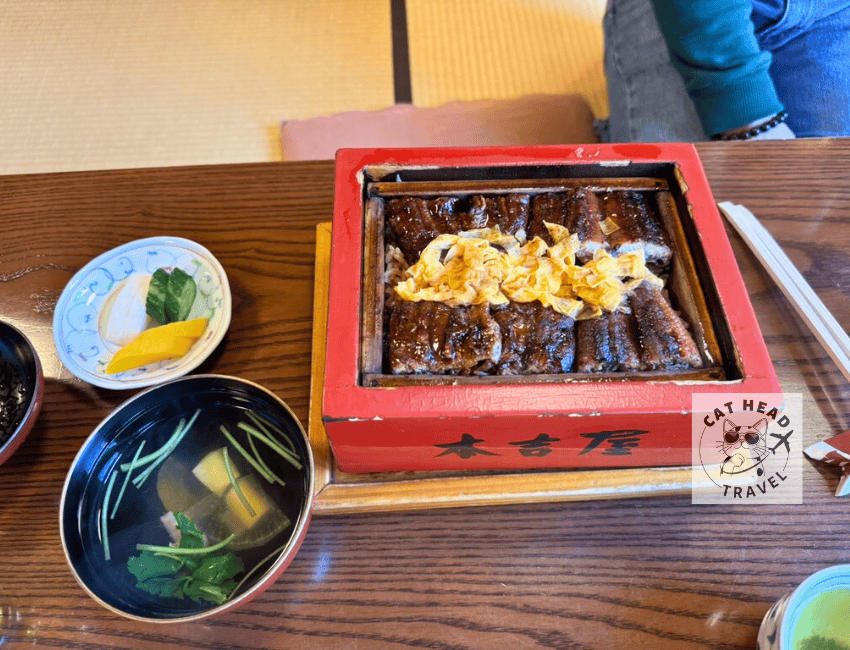
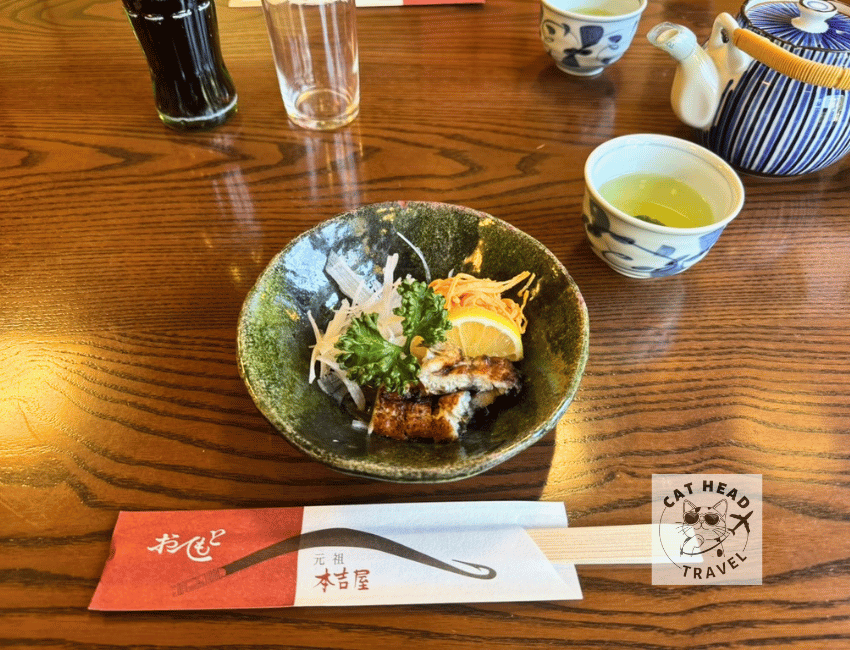
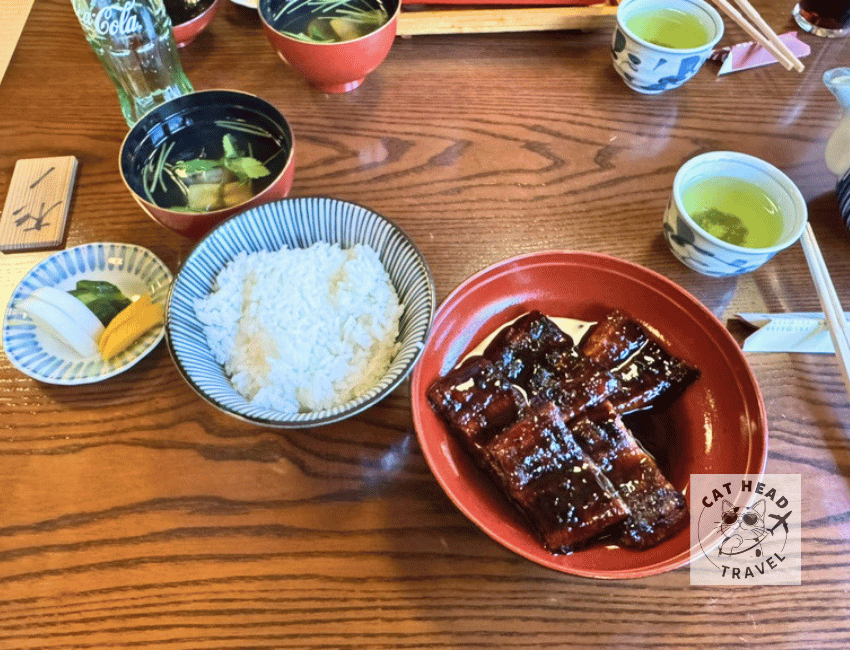
We tried two different options: the Steamed Eel Rice Set (JPY 5,900) and the Kabayaki Set (JPY 5,900). The steamed version is sweet, rich, and super comforting, though the portion size is a bit massive. But don’t sleep on the regular kabayaki grilled eel either—the skin is perfectly crisped, the inside is incredibly soft, and the plain white rice they serve with it is exceptionally fragrant and glossy. If I had to pick a favorite, the kabayaki edged out the win for me.
😼 Cathead’s Pro Tip
The lines on weekends and holidays can get absolutely crazy. Make sure to get here early because they frequently sell out by 3:00 PM! I arrived around 11:30 AM and got a table right away, but the restaurant was completely full by noon.
Address: 69 Asahimachi, Yanagawa City, Fukuoka Prefecture
Ratings: Google 4.2/5 | Tabelog 3.68/5
Average Budget: Around JPY 6,000 / person
Hours: 10:30 AM–7:00 PM (closed on Mondays)
Getting There: A 12 to 15-minute walk from Nishitetsu Yanagawa Station
🍜 4. Tachibana Udon
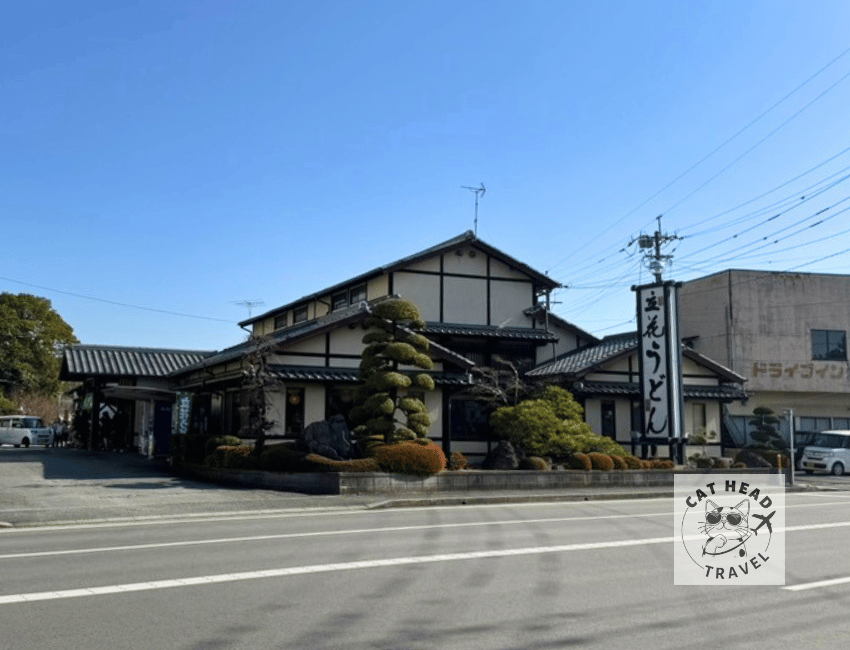
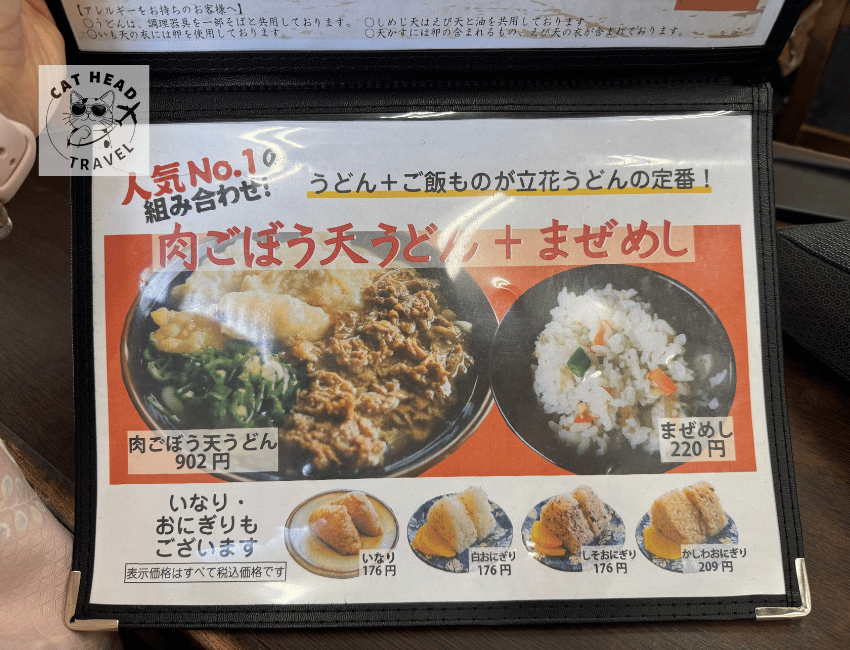
While most people only head to Yanagawa for the eel rice, I recommend checking out a local-favorite noodle shop while you’re in town: Tachibana Udon (立花うどん).
The biggest difference between Kyushu-style udon and Sanuki udon is that the noodles here are on the softer side. If it’s your first time trying it, the texture might take a little getting used to, but this soft, tender bite is exactly what makes the regional style so unique. Tachibana Udon is famous for its beef udon and deep-fried burdock root (gobo) tempura udon. The broth leans sweet, which is a classic, signature Fukuoka flavor profile.
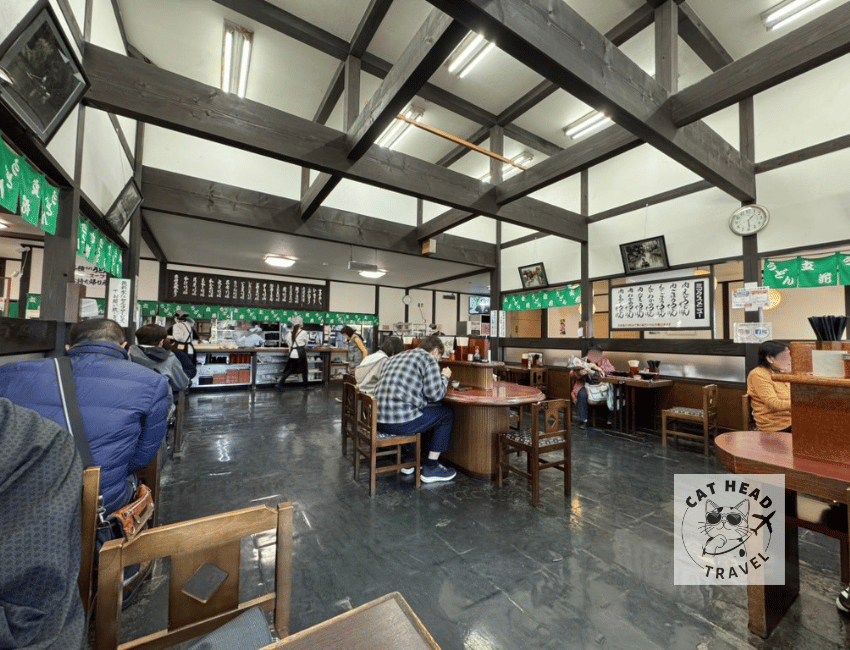
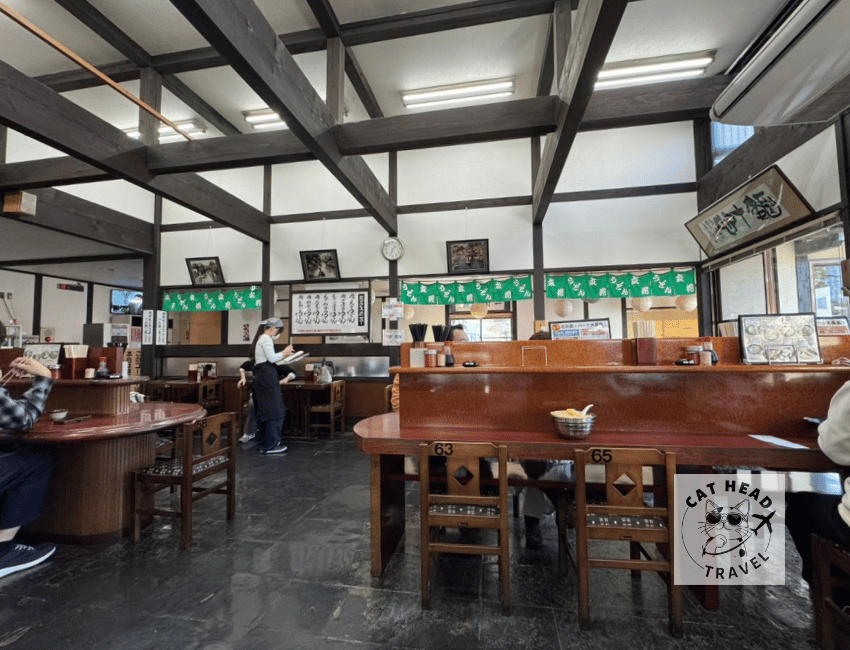
What I like most about this place is its everyday, casual atmosphere. Unlike touristy restaurants, it’s packed with local families and office workers stopping by for a quick bite. The prices are incredibly cheap, the portions are huge, and the service is lightning fast. Grabbing a piping hot bowl of udon here on a cold winter day is the ultimate comfort food.
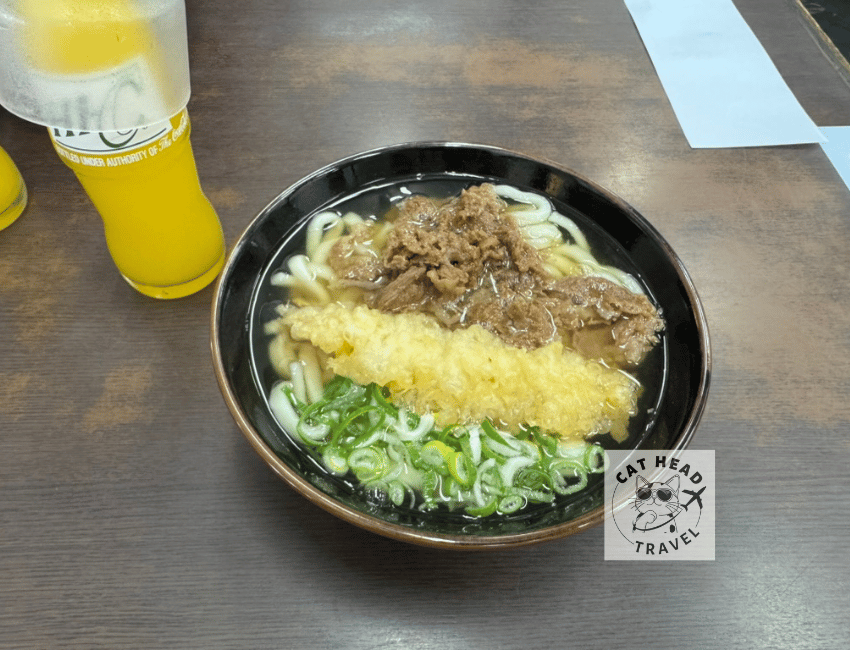
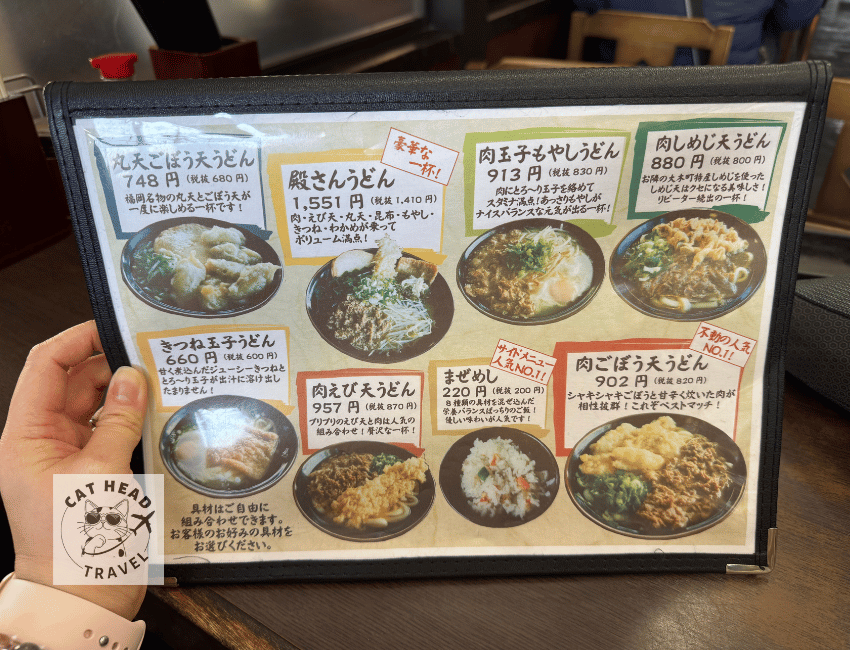
I ordered the beef and fried shrimp udon (JPY 957) ,and a bottle of orange soda.
True to the style, the noodles were soft and the broth had a sweeter note, giving it a very cozy, home-cooked feel.
While you don’t necessarily need to go out of your way just for this restaurant, it’s the perfect stop if you want an authentic taste of everyday Kyushu life—especially as a scenic walk right after your Yanagawa river cruise.
😼 Cathead’s Pro Tip
It gets very busy during peak hours, but the table turnover is incredibly fast. I arrived at 1:30 PM on a Saturday and got seated immediately without waiting at all. Note that they only have a Japanese menu.
Address: 191 Mitsuhashimachi Takahatake, Yanagawa, Fukuoka 832-0826, Japan
Ratings: Google 4.2/5 | Tabelog 3.56/5
Average Budget: Around JPY 1,000–2,000 / person
Hours: 9:00 AM–9:00 PM (closed on Tuesdays)
Getting There: About an 8-minute walk from Nishitetsu Yanagawa Station
Final Thoughts
This Northern Kyushu food journey reminded me once again why Kyushu is the ultimate destination for slow travel. Compared to the overwhelming, fast-paced food scenes of Tokyo or Osaka, Northern Kyushu is all about unassuming, down-to-earth flavors that quietly stick with you long after the trip is over.
The delicate marbling of Saga beef, the rustic local charm of Takeo’s teppanyaki, the centuries-old heritage of Yanagawa’s steamed eel rice, and a simple yet comforting bowl of Kyushu udon—these are the delicious moments that make traveling so magical.
If you’re planning a DIY trip to Northern Kyushu, don’t just rush from one tourist attraction to the next. Leave some room in your itinerary to truly sit down and enjoy a great meal. That’s how you’ll truly fall in love with Kyushu. 😼
*All information provided above is for reference only. For full details, please refer to the official websites of the respective restaurants and organizations.
🌍 Plan Your Japan Trip:
👉 Where to Stay in Fukuoka (2026): Best Areas & Hotels in Hakata and Tenjin
👉 Where to Stay in Fukuoka: Hotel Oriental Express Fukuoka Nakasu Kawabata Review
👉 Best Fukuoka Hotel Near Hakata Station? Hotel Forza Chikushi-Guchi I Review
👉 Best Time to Visit Fukuoka 2026: The Ultimate Guide
👉 Yanagawa Ryokan Review: Staying at Hakuryuso (Fukuoka, Japan)
👉 Best Time to Visit Kyushu: A Seasonal Guide for First-Timers
👉 Best Time to Visit Kumamoto, Japan: Monthly Weather, Seasons & Travel Tips
👉 Best Time to Visit Nagoya 2026: Weather, What to Wear & Things to Do
👉 Hilton Nagoya Hotel Review: Spacious Rooms, Western Comfort & Breakfast Buffet
👉 Best Time to Visit Okinawa, Japan: 2026 Weather & Travel Guide

Hi, I’m Cat Head! Having lived in the US, Canada, and Hong Kong, I bring a unique global perspective to the world of travel. I’m a Japan travel specialist dedicated to finding the best travel deals and crafting seamless DIY itineraries.
Whether you’re looking for luxury hotel reviews on a budget or travel hacks, I share my first-hand experiences and travel tips to make your next trip unforgettable.